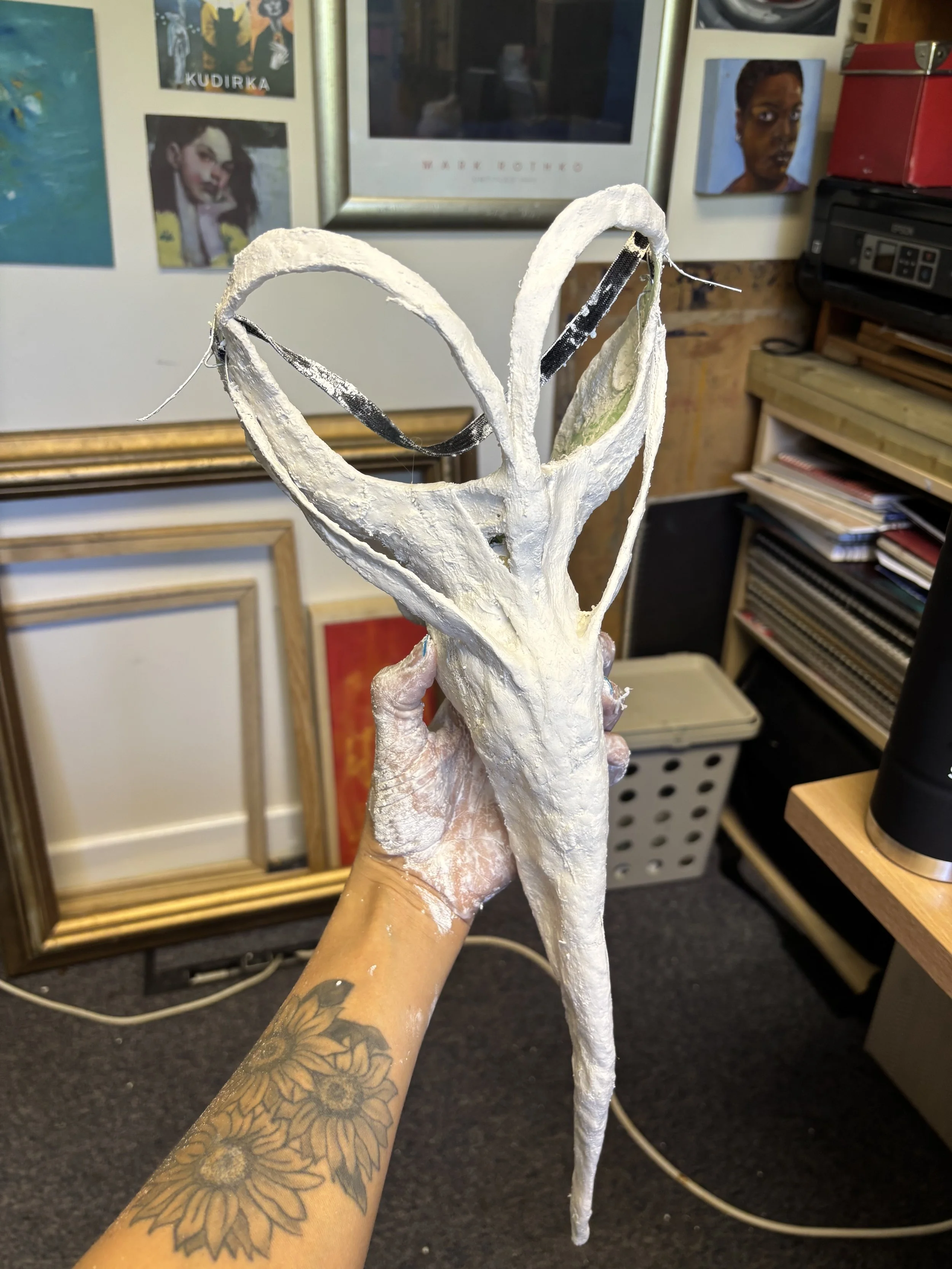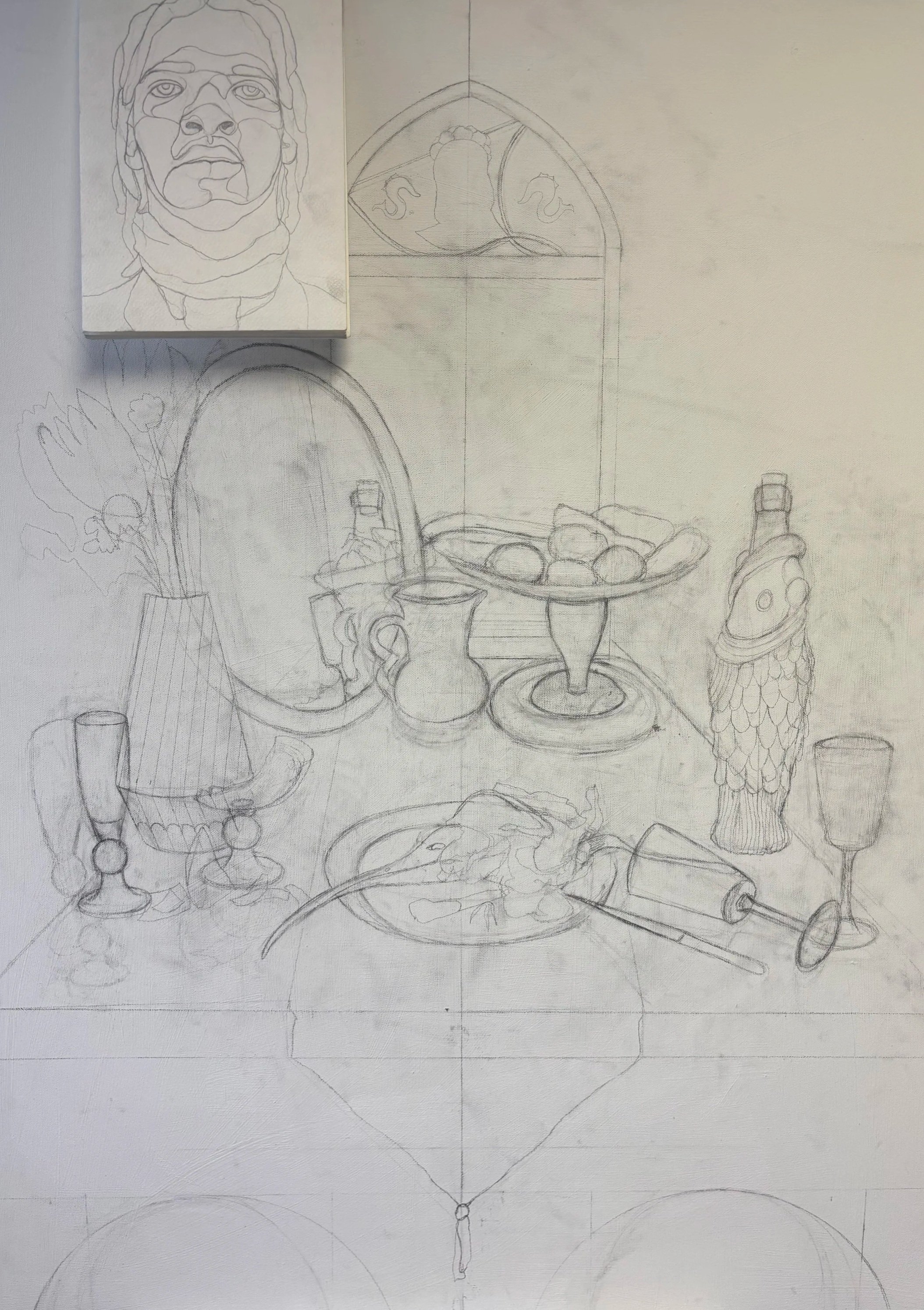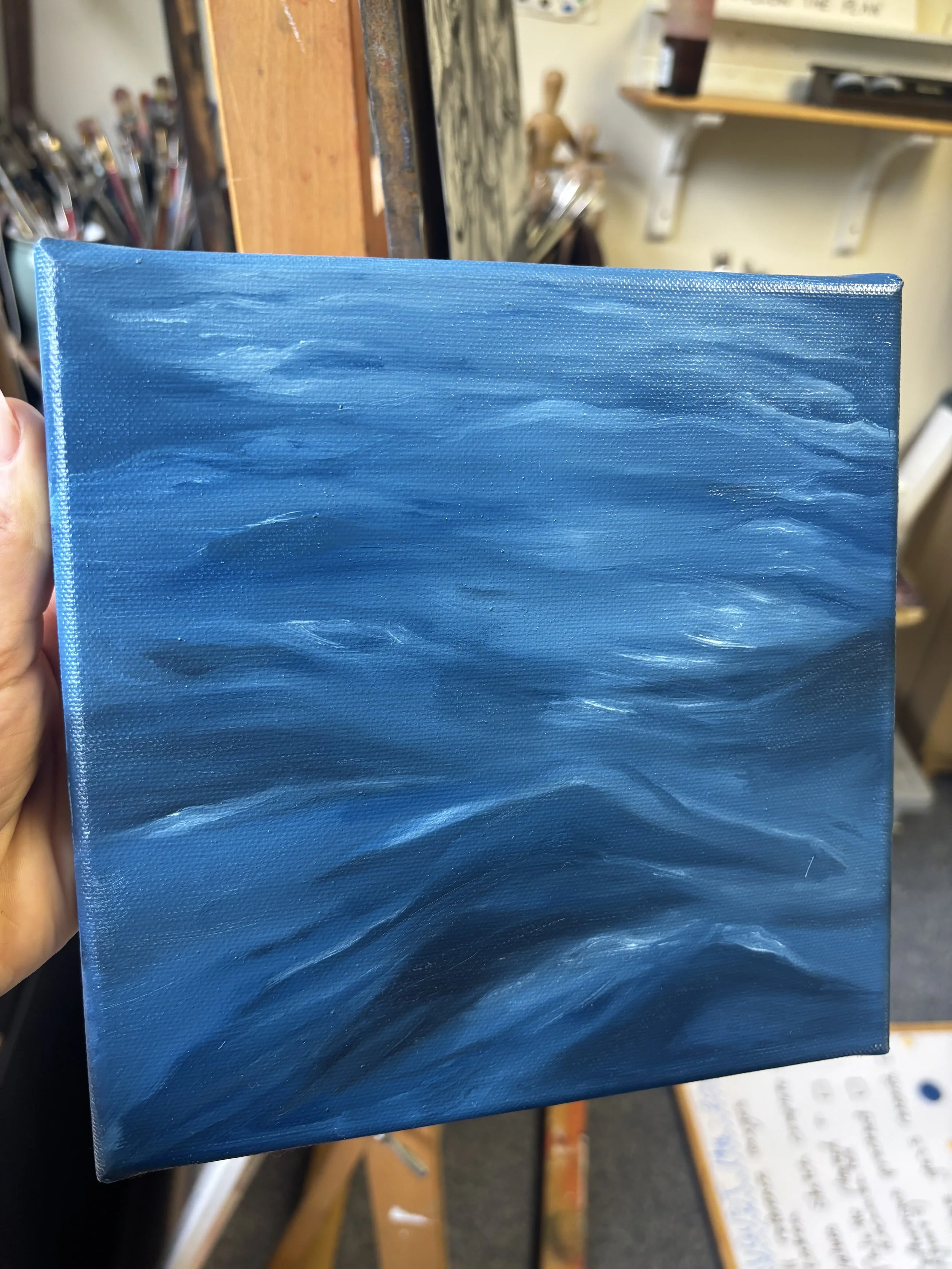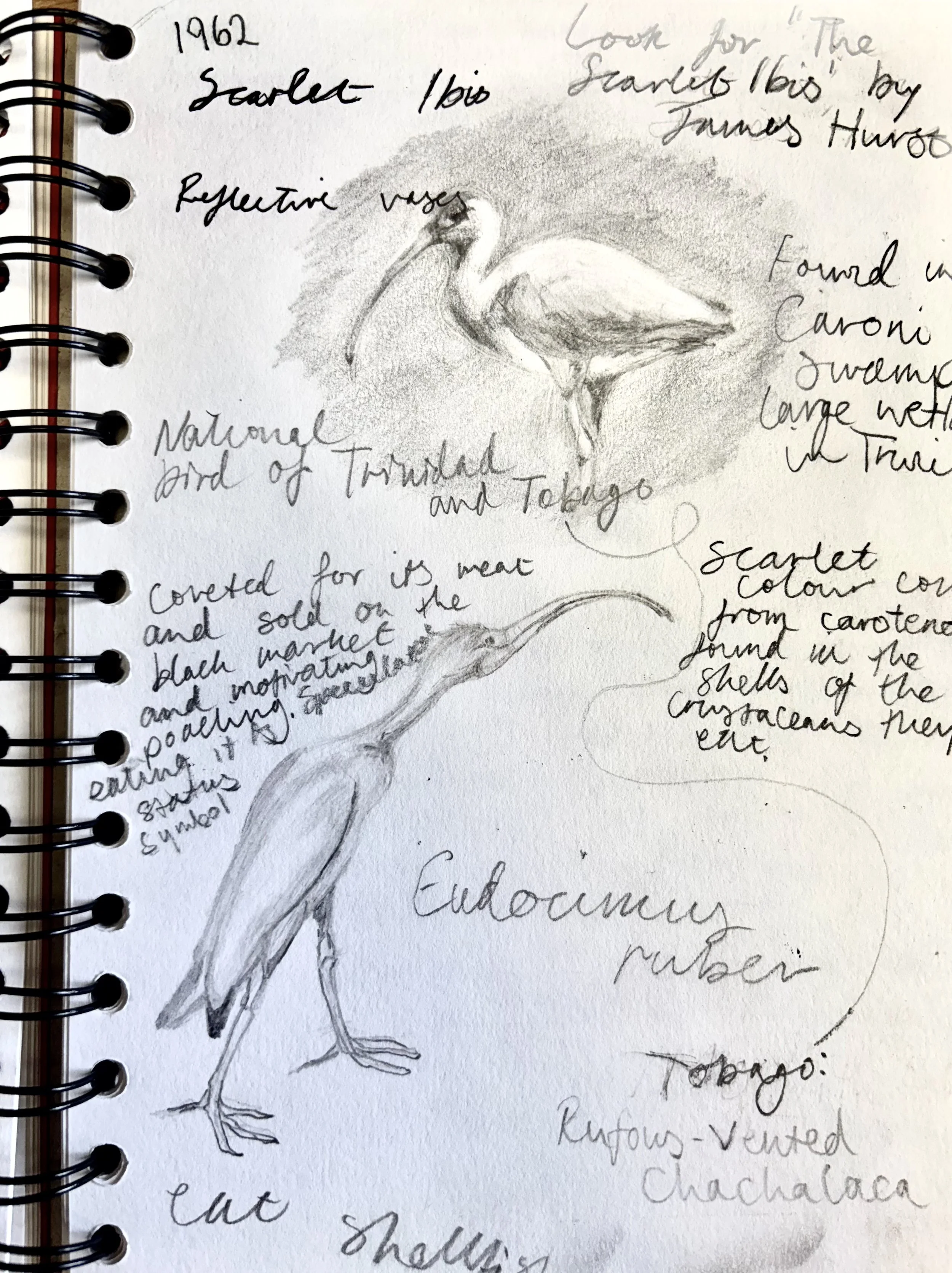
the making of
NO’MOKO JUS’NOW
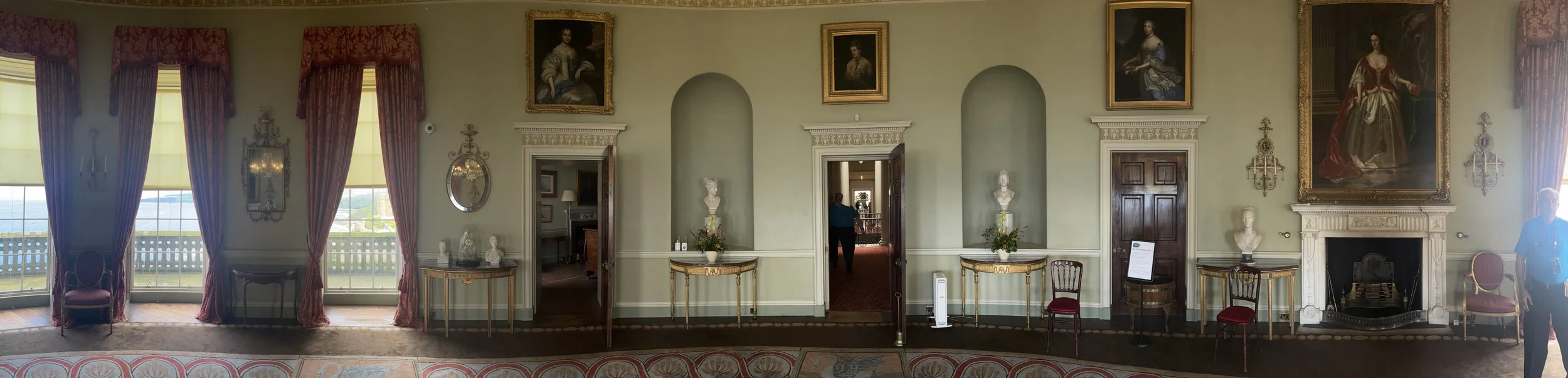
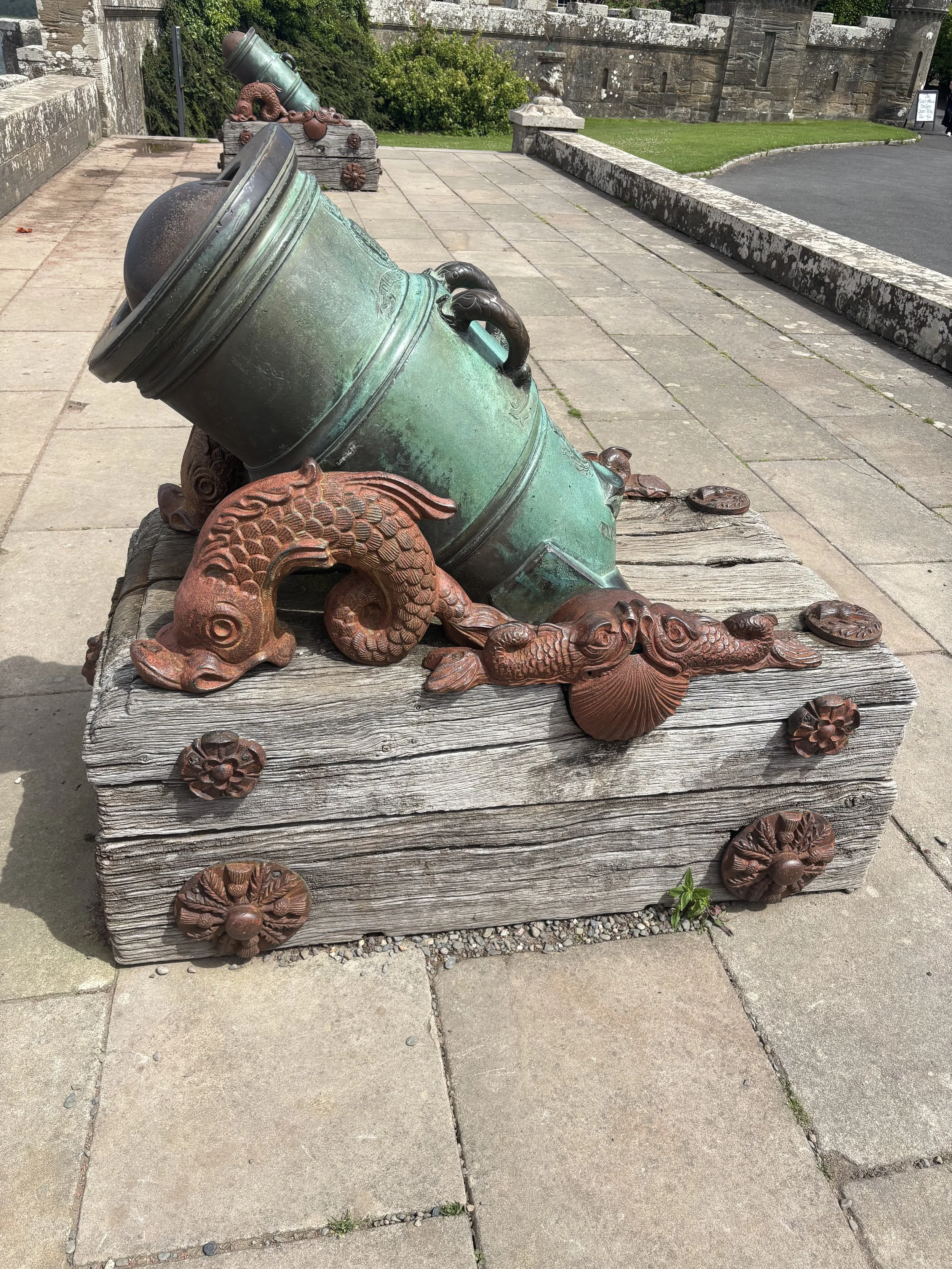
Culzean Castle and grounds, South Ayrshire, Scotland
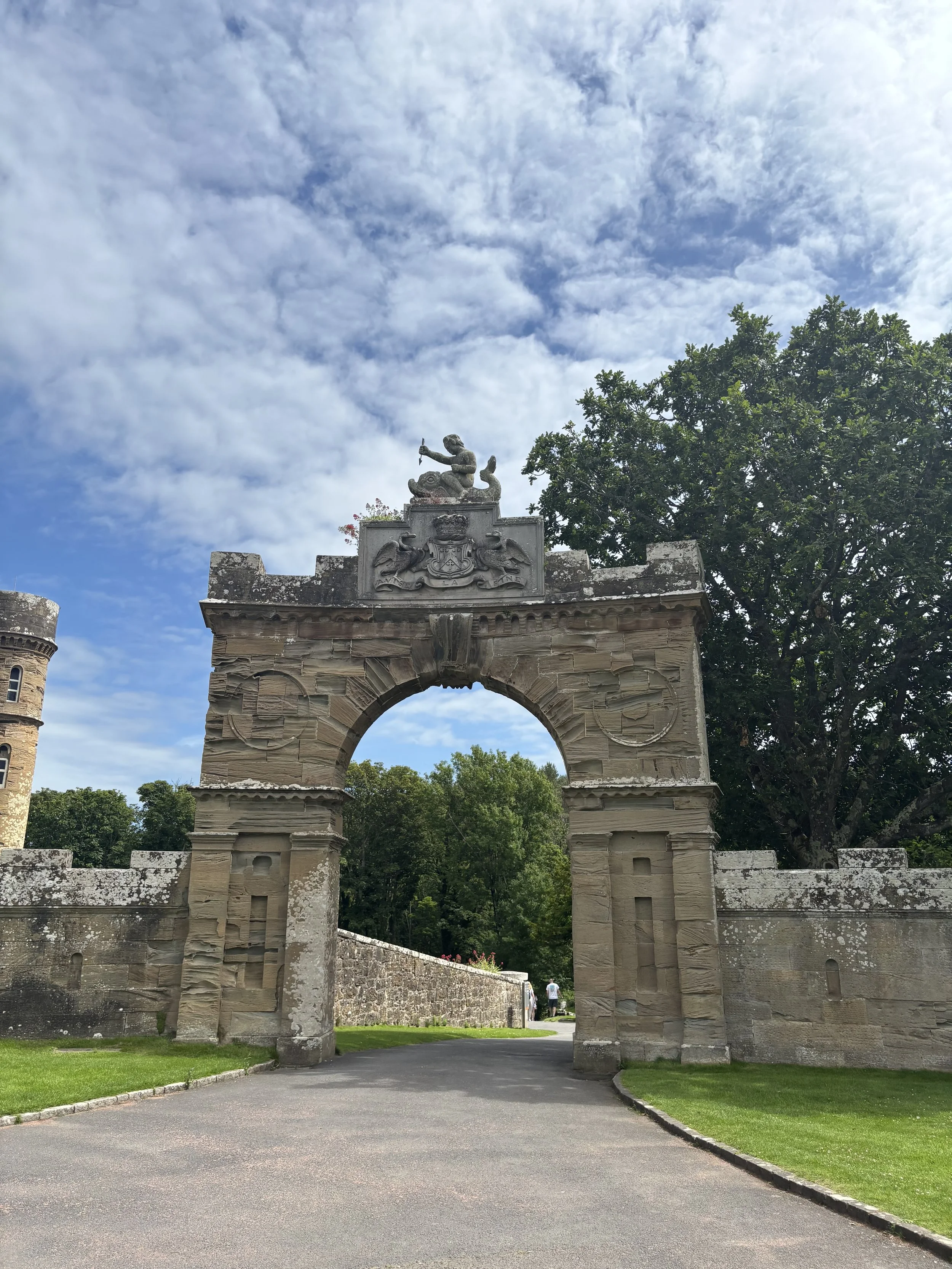
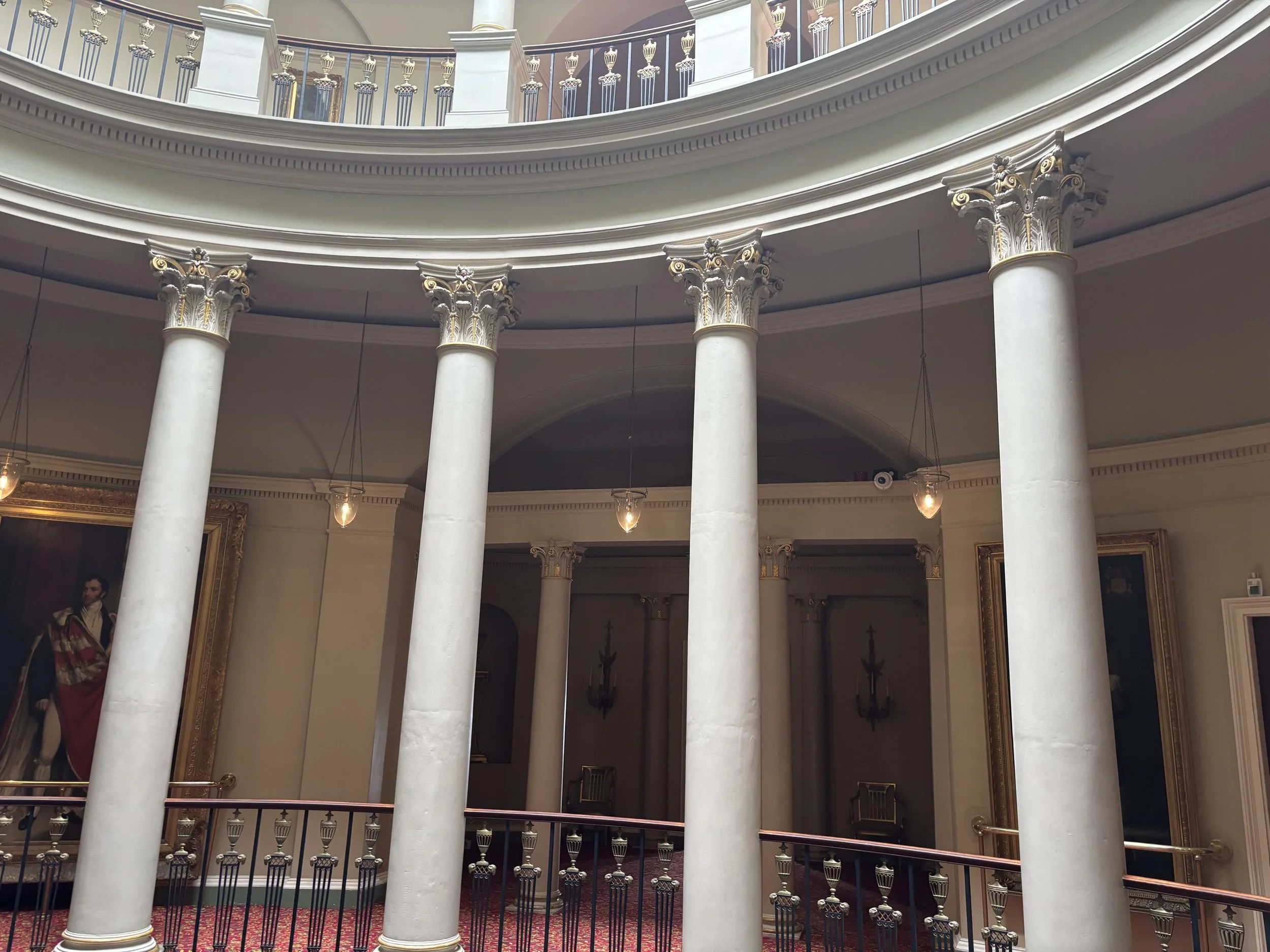
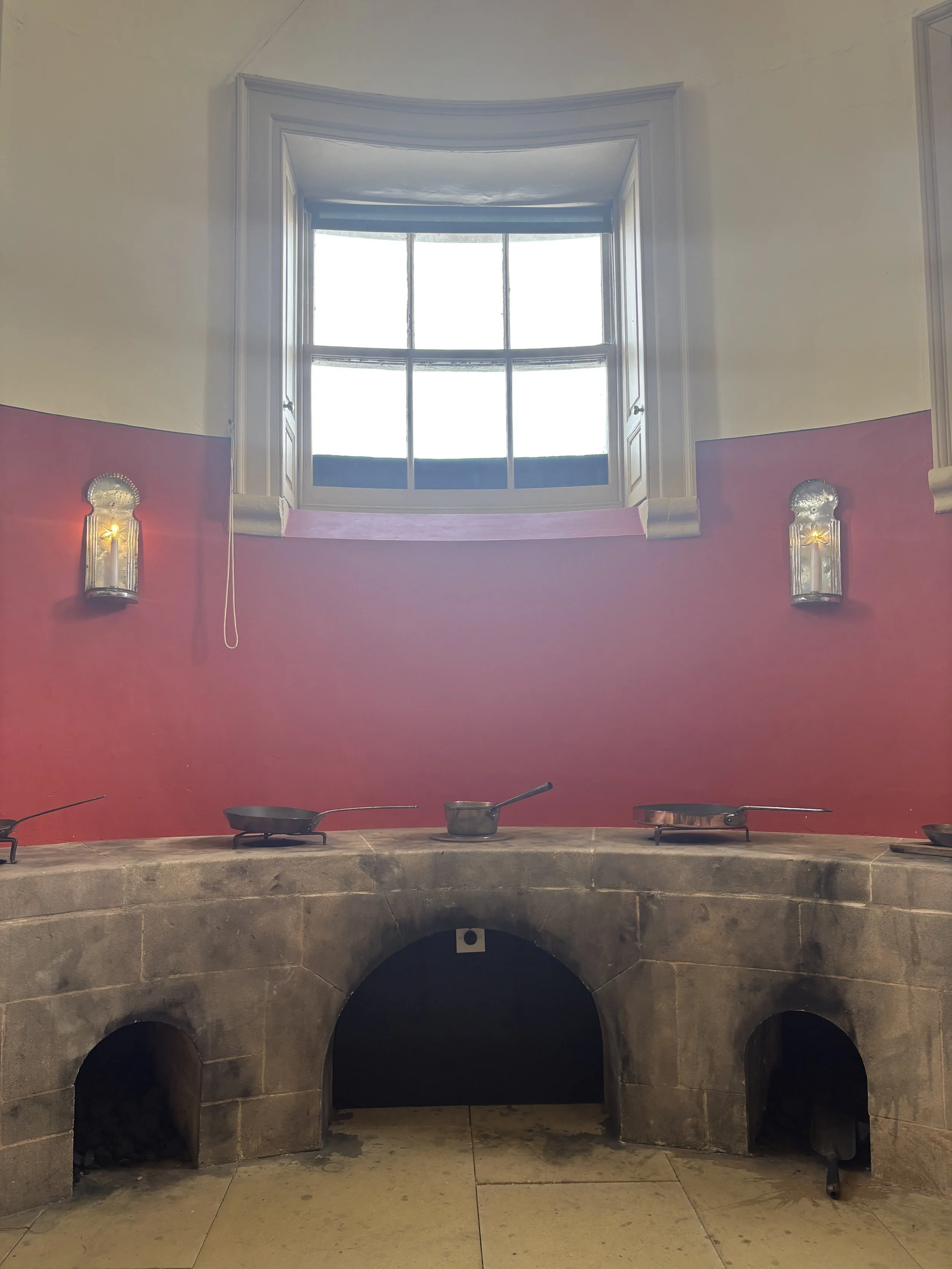
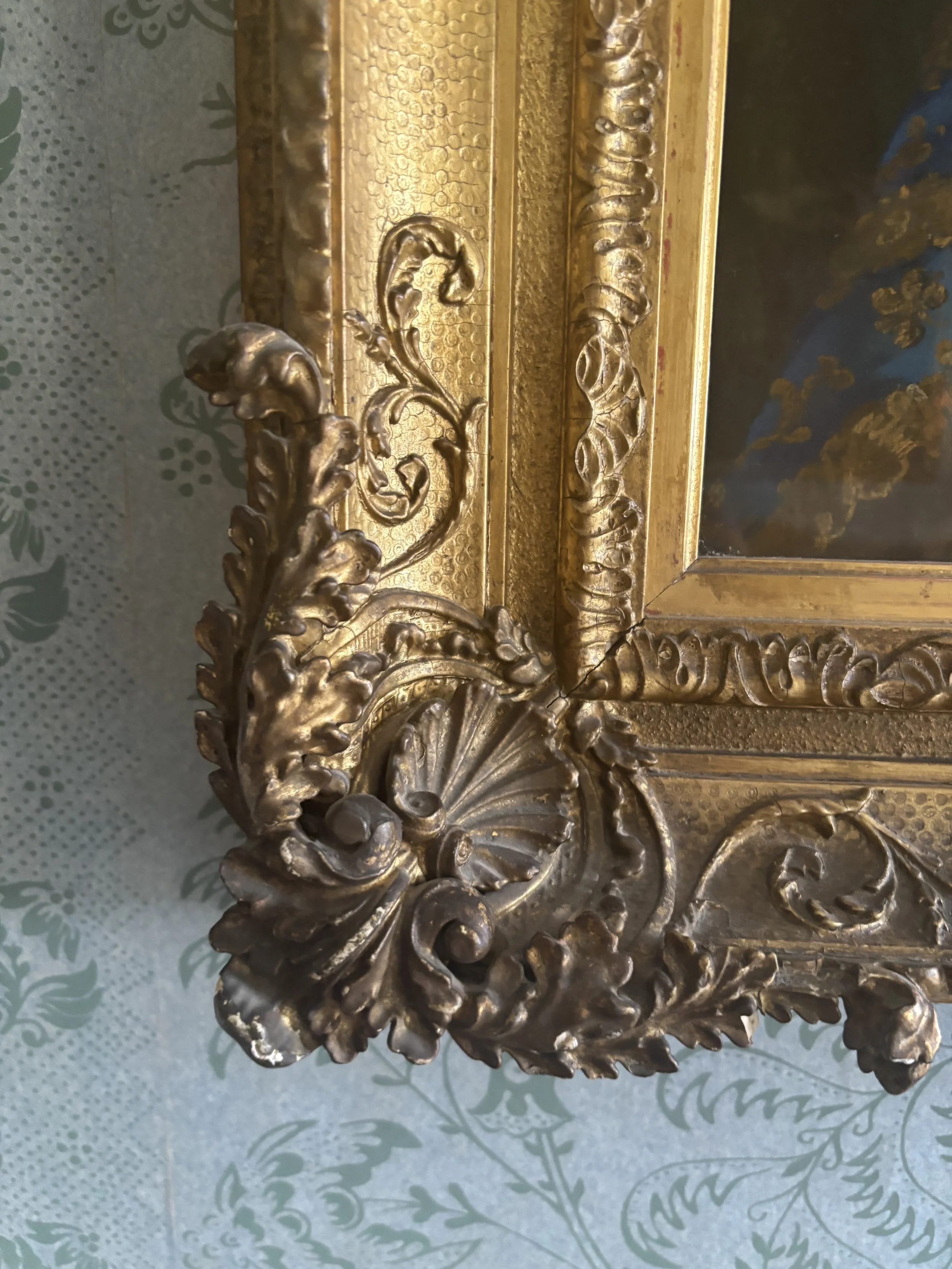
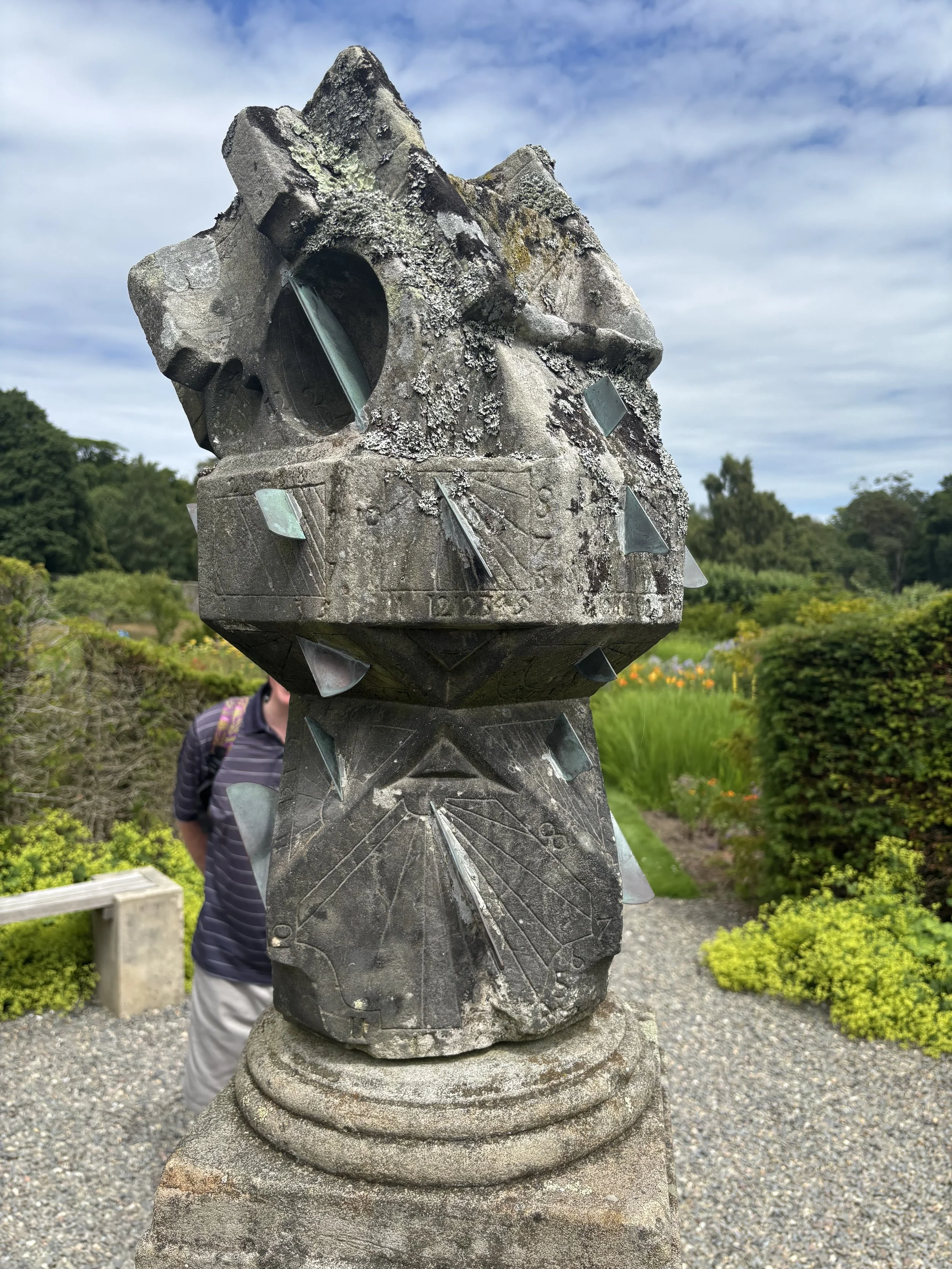
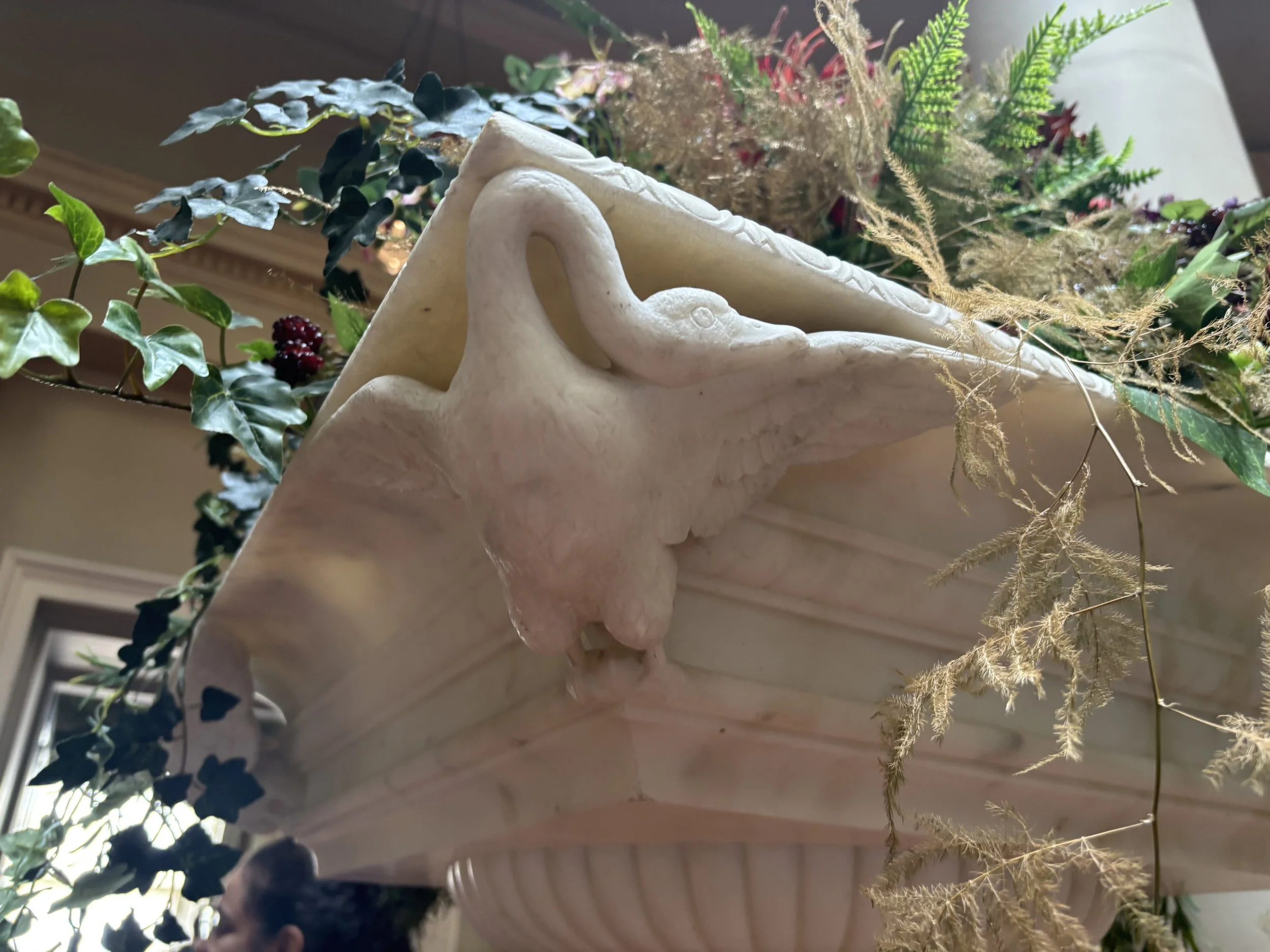
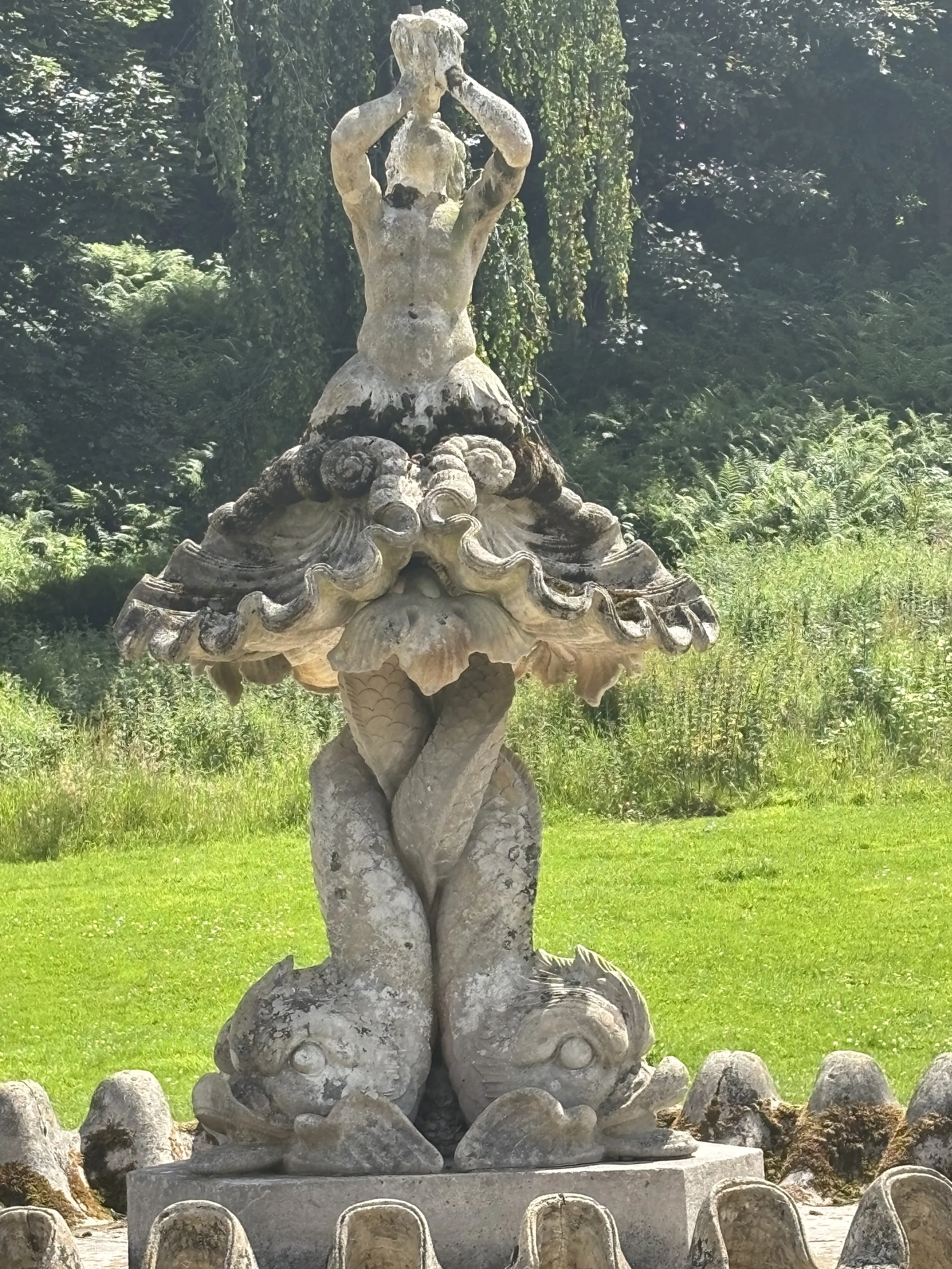
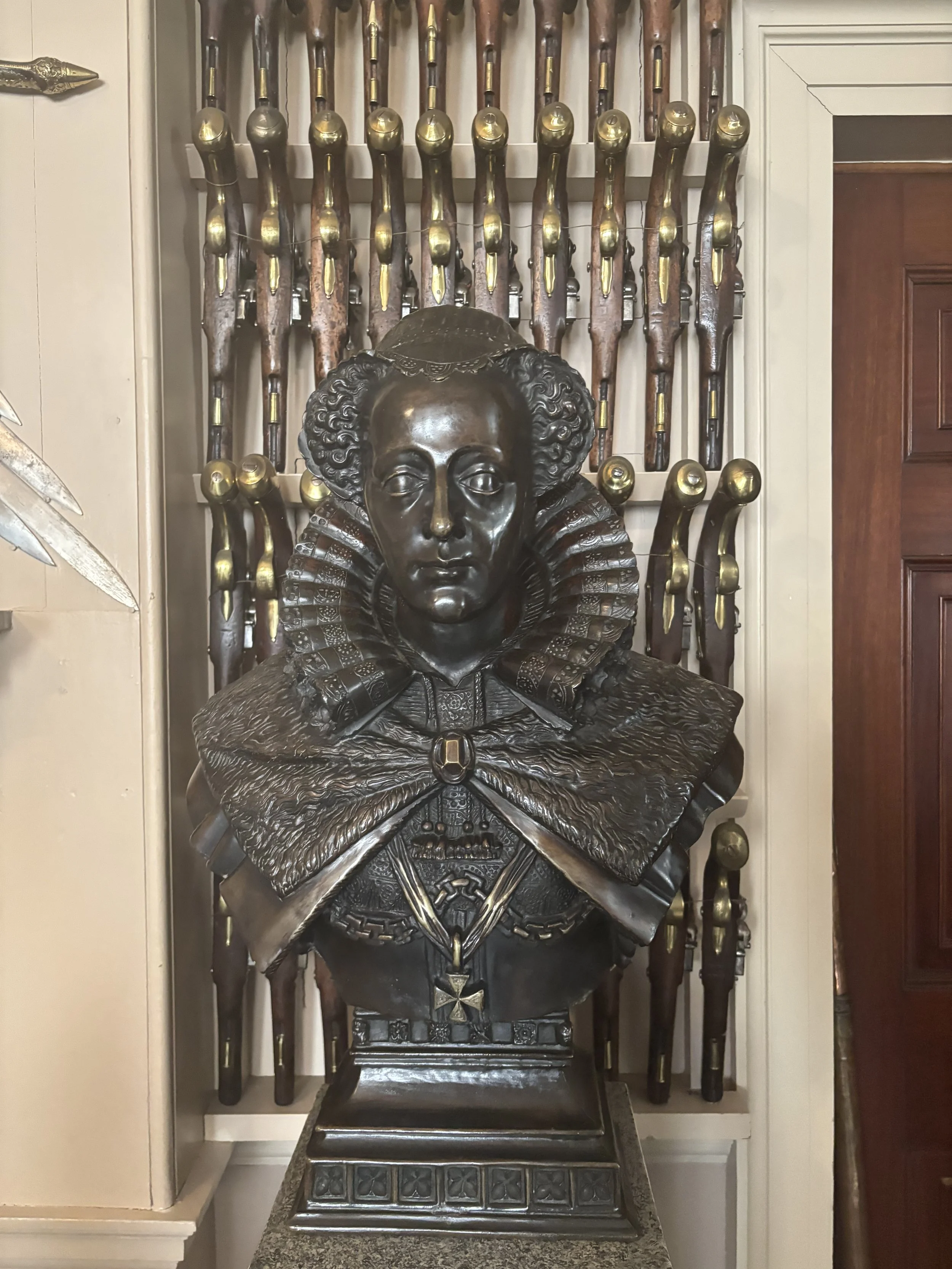
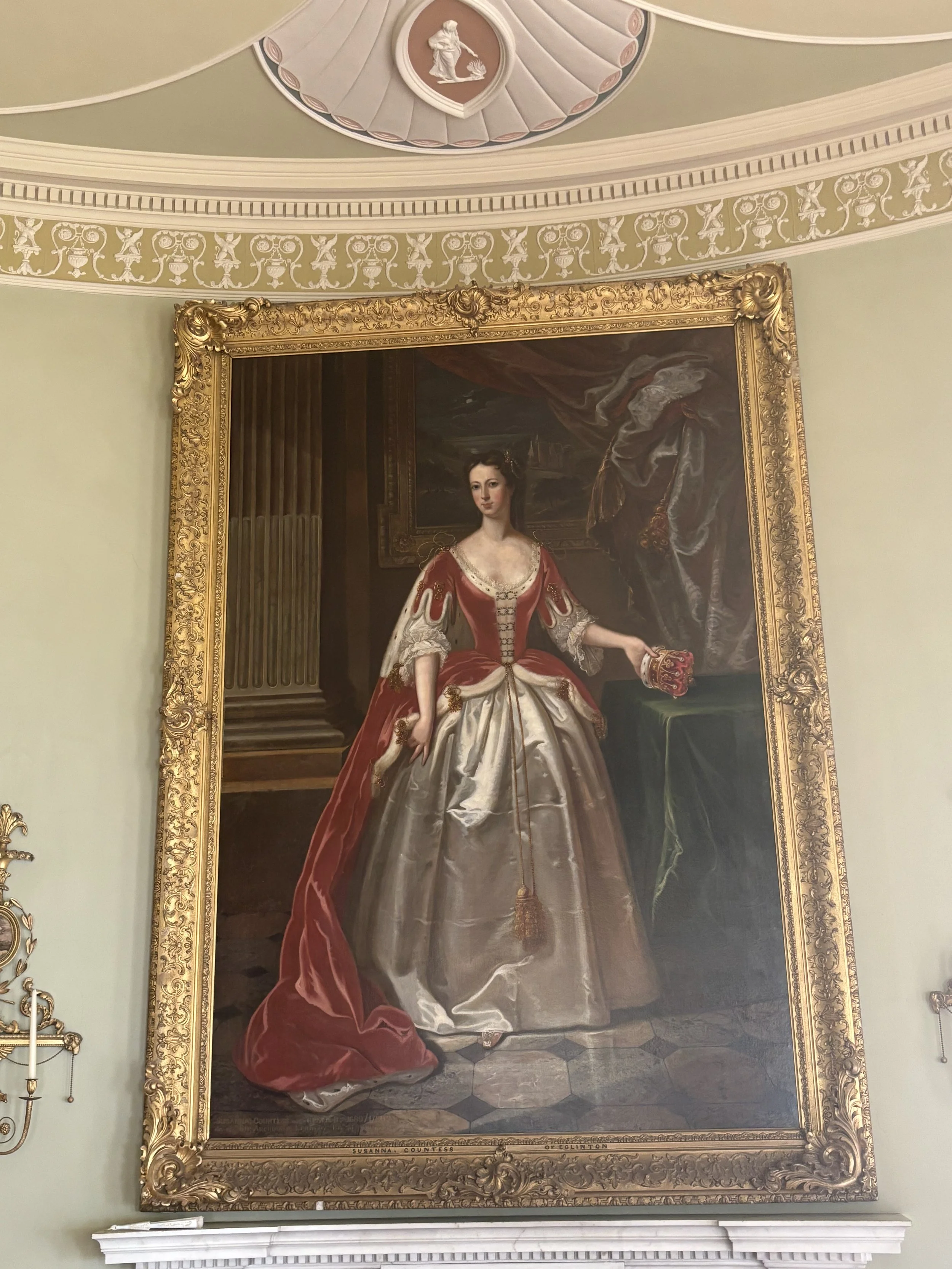
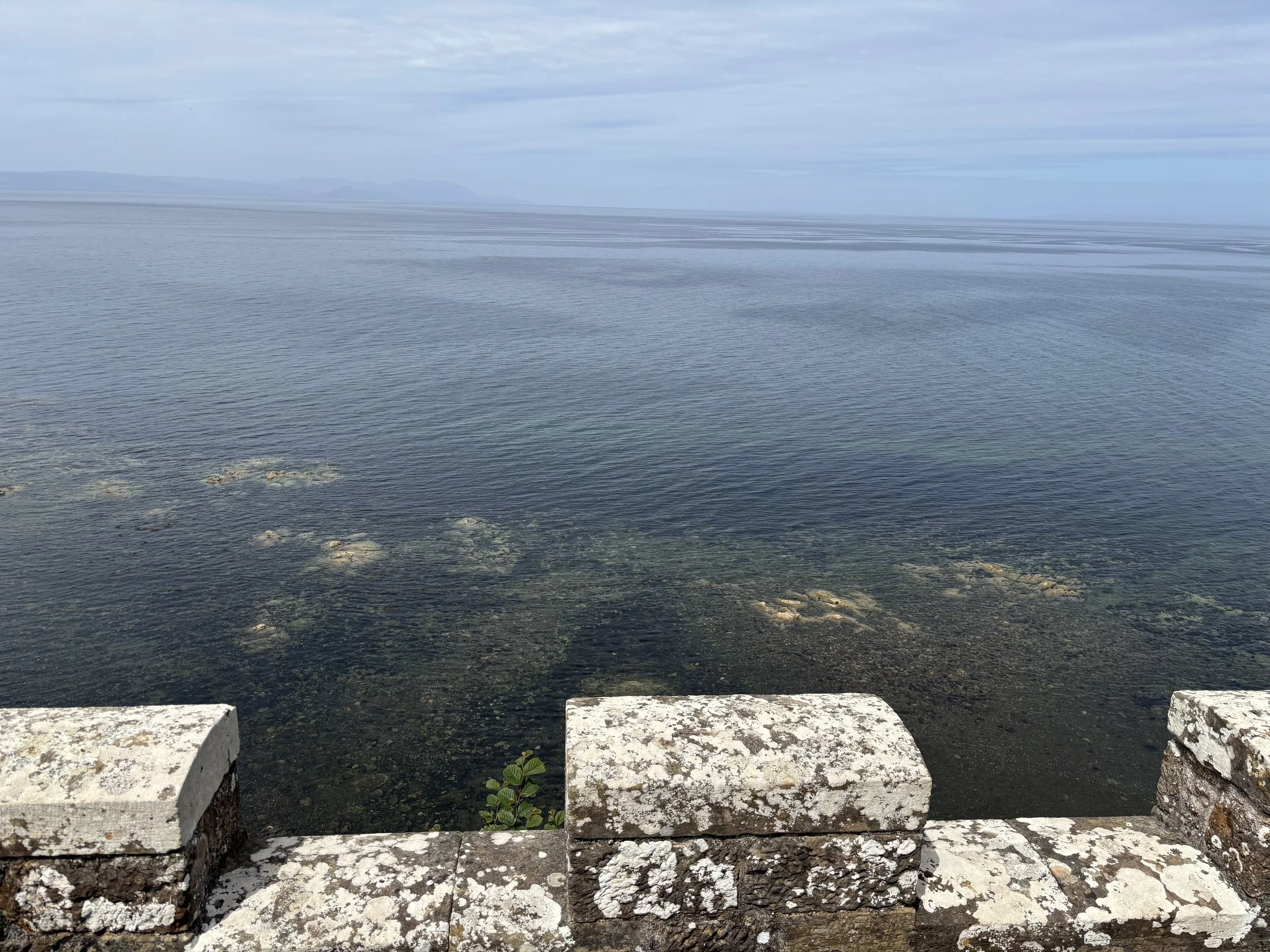
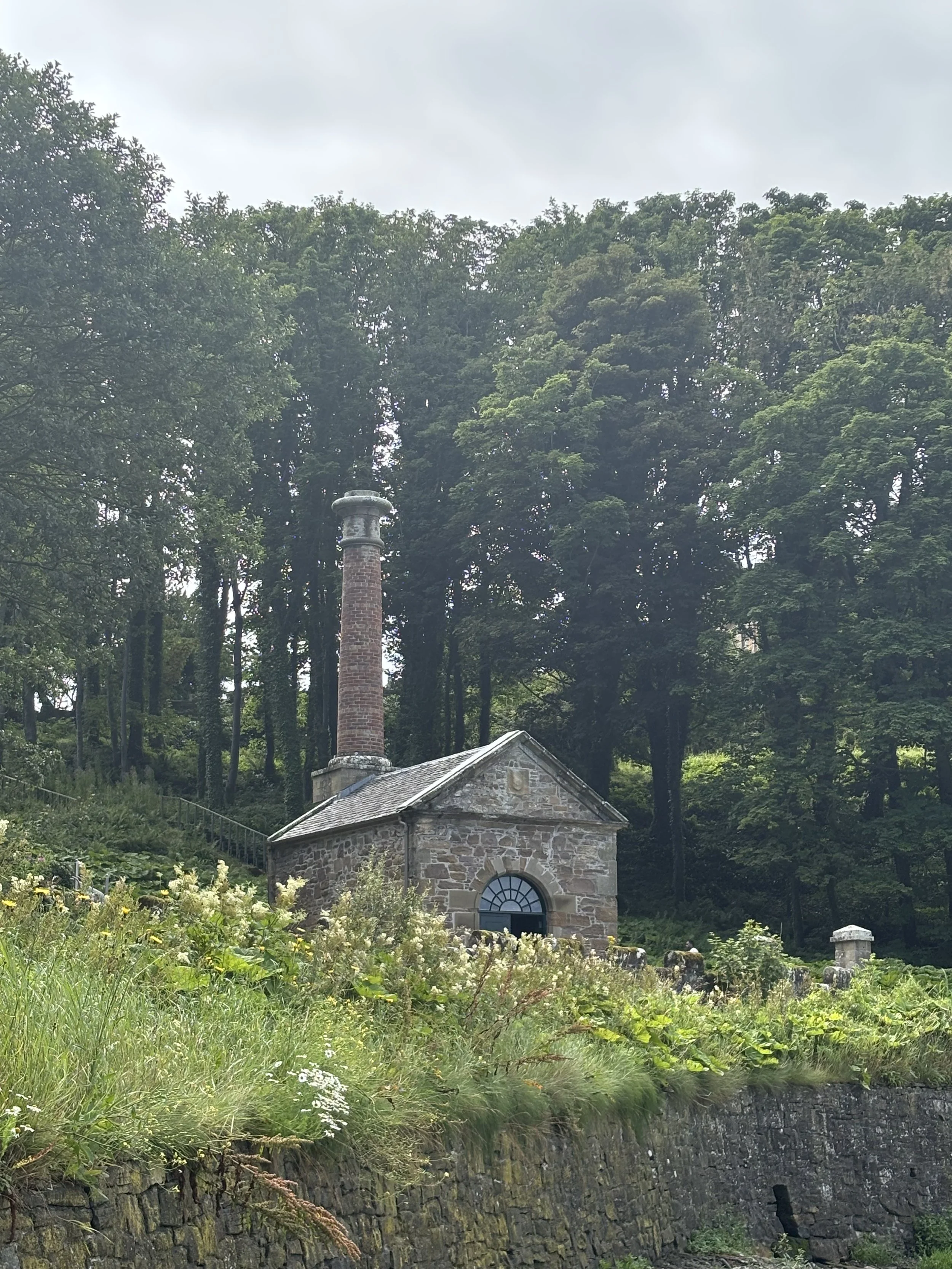
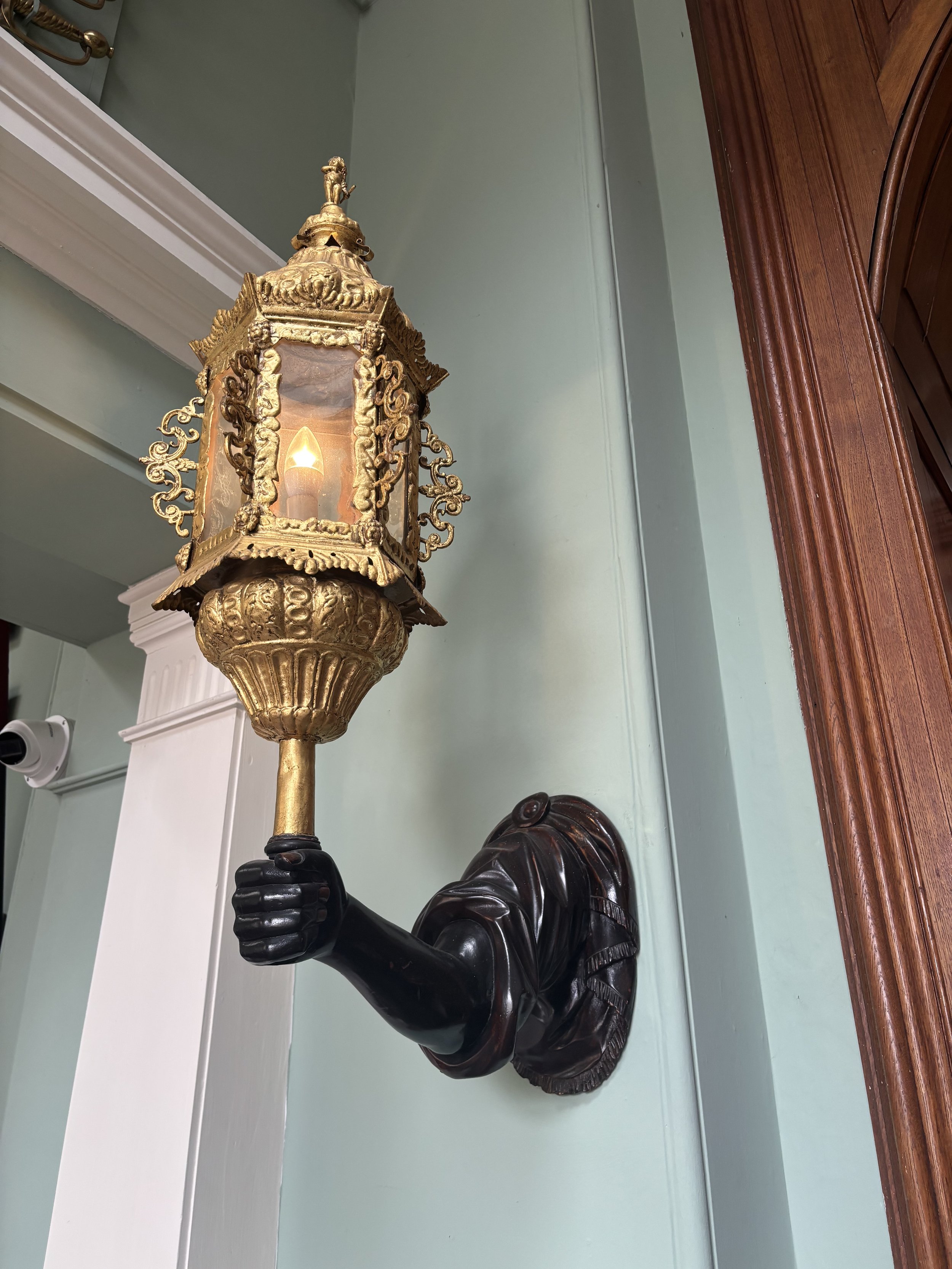
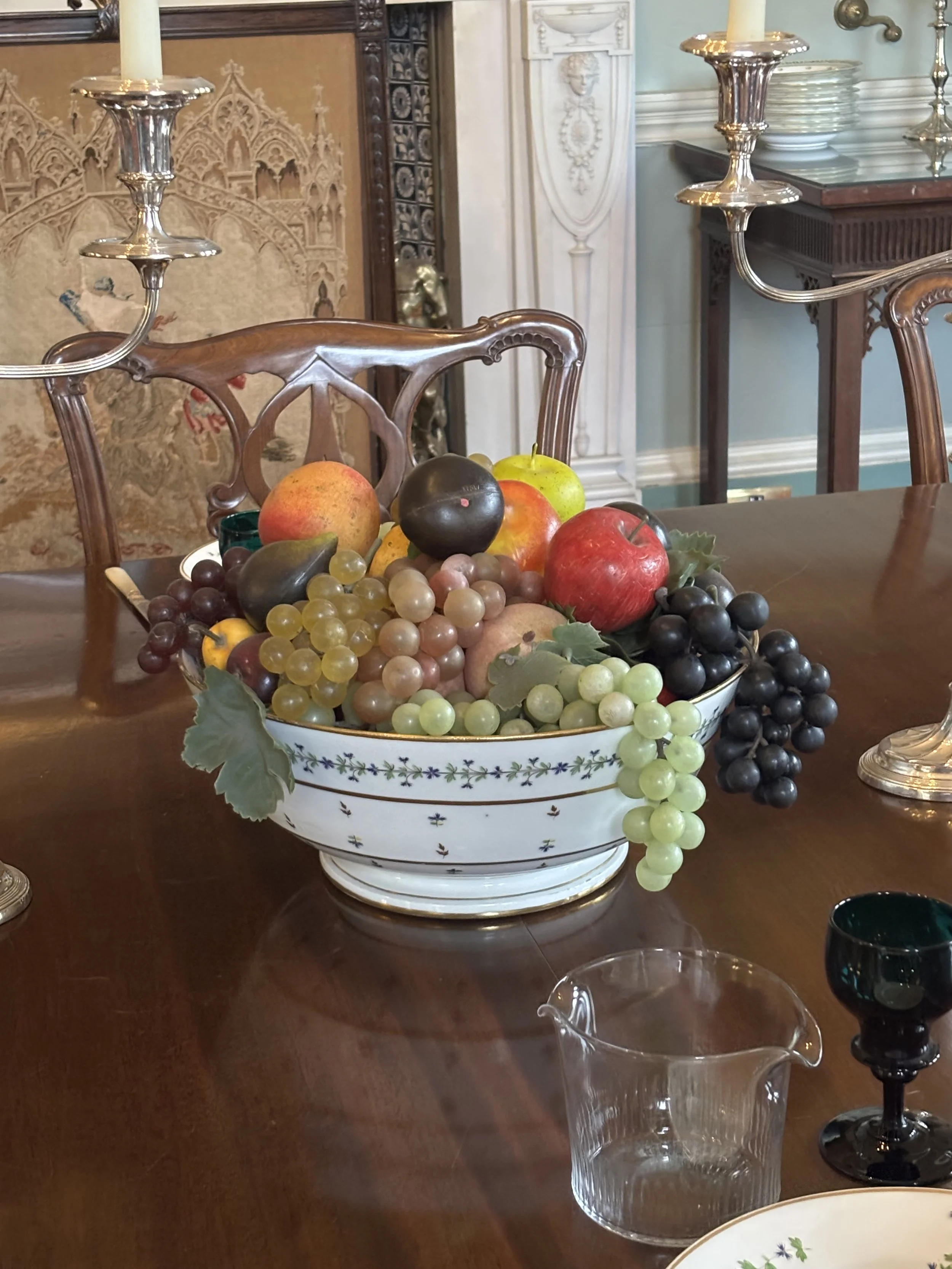
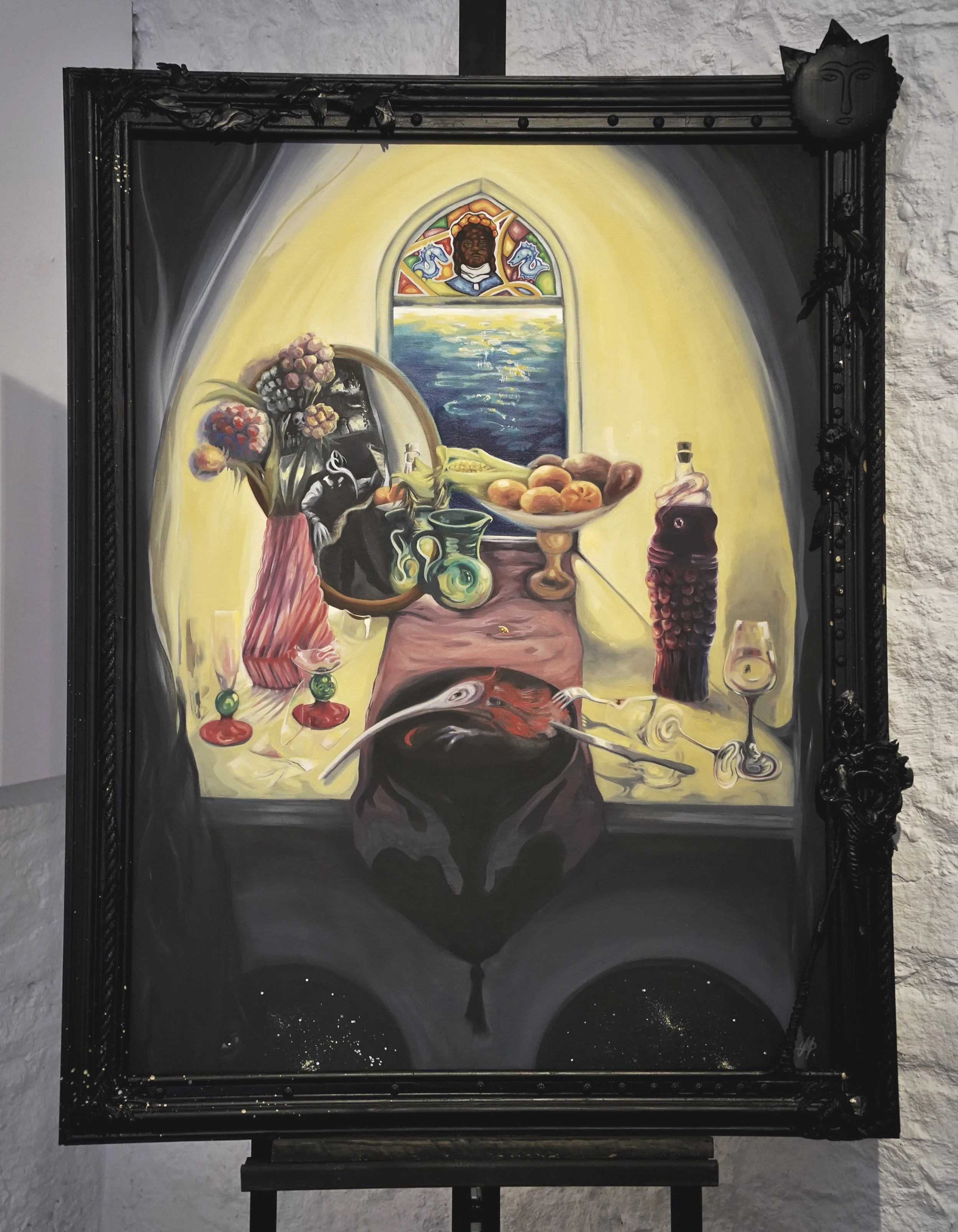
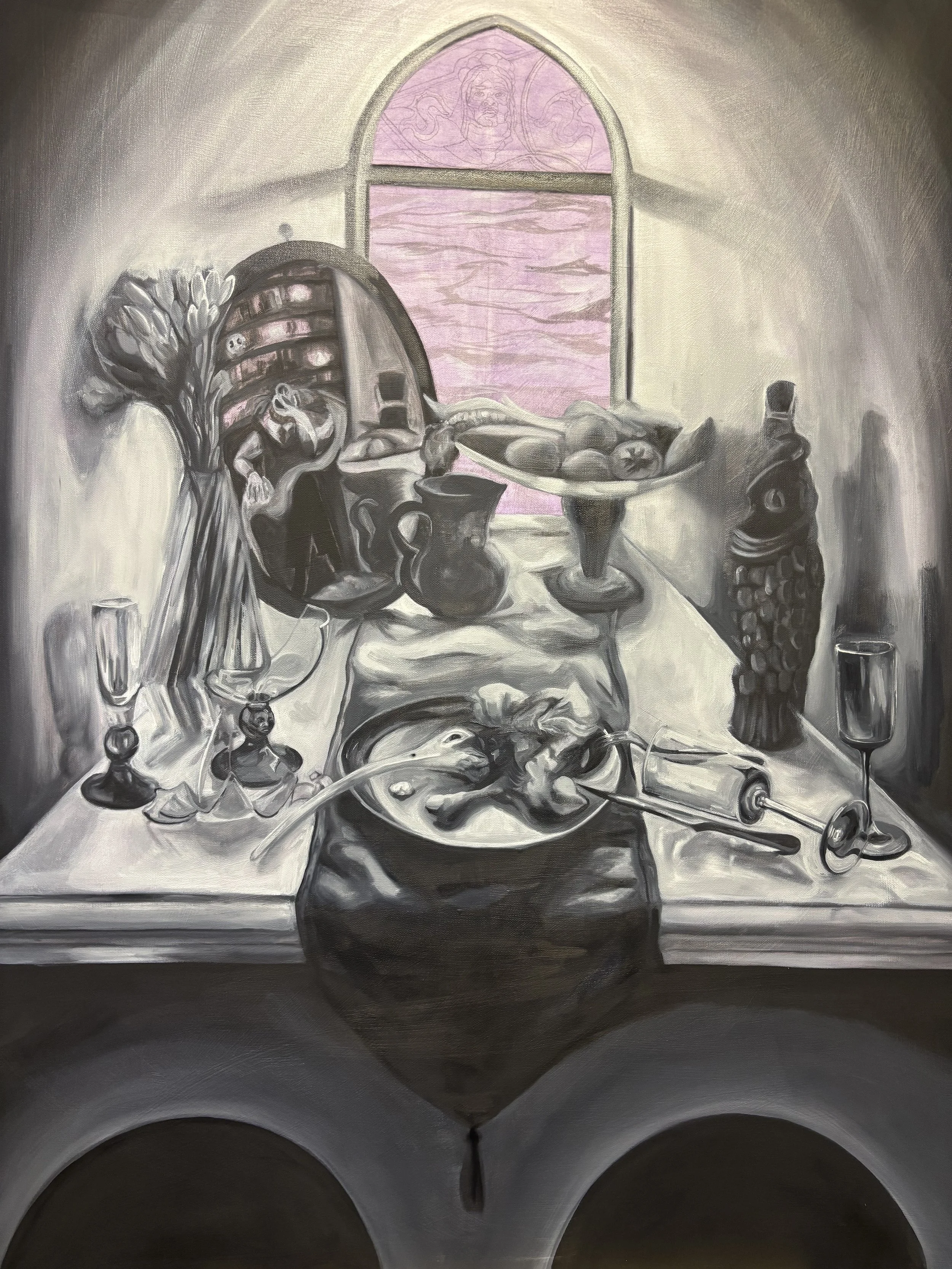
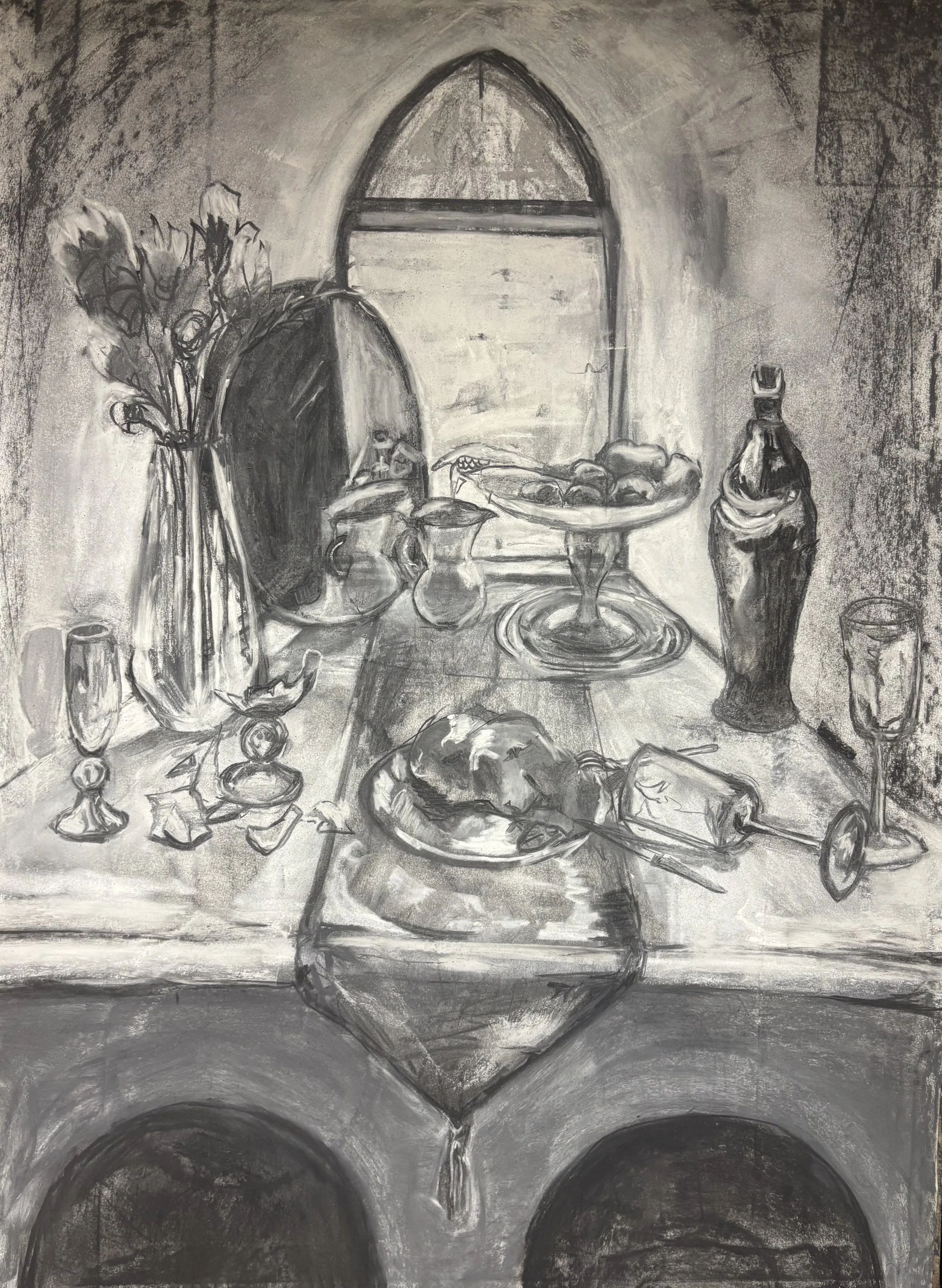
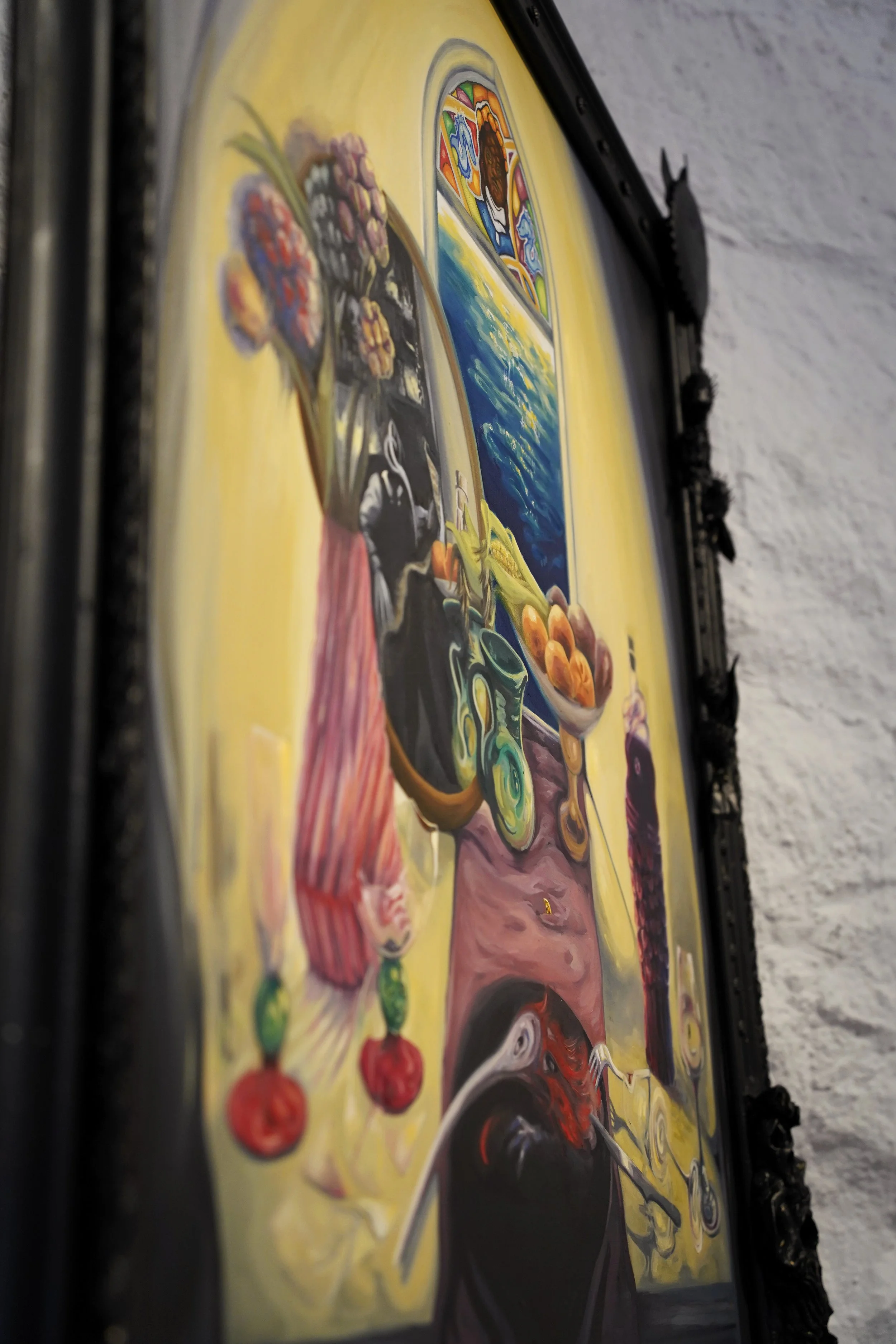
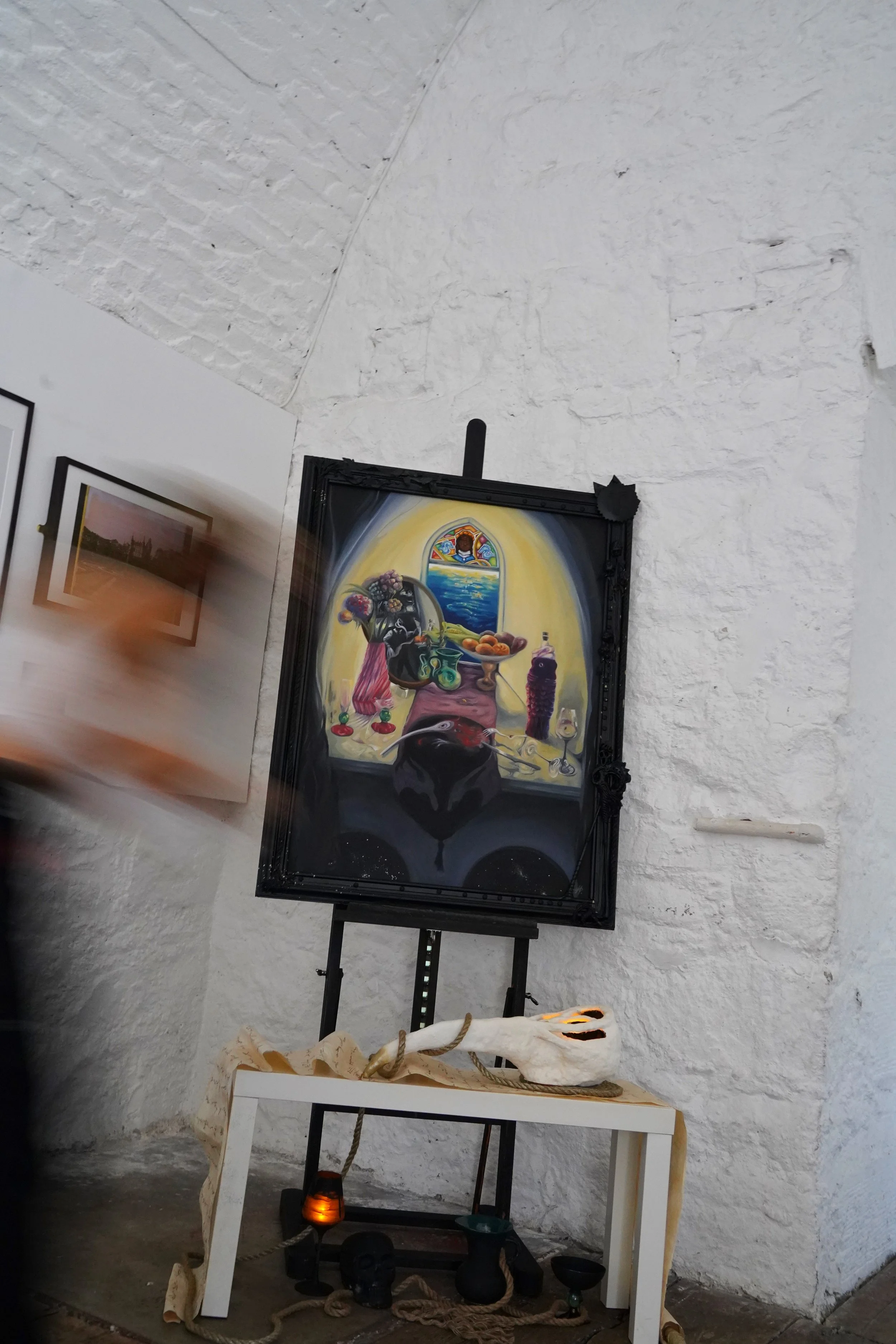
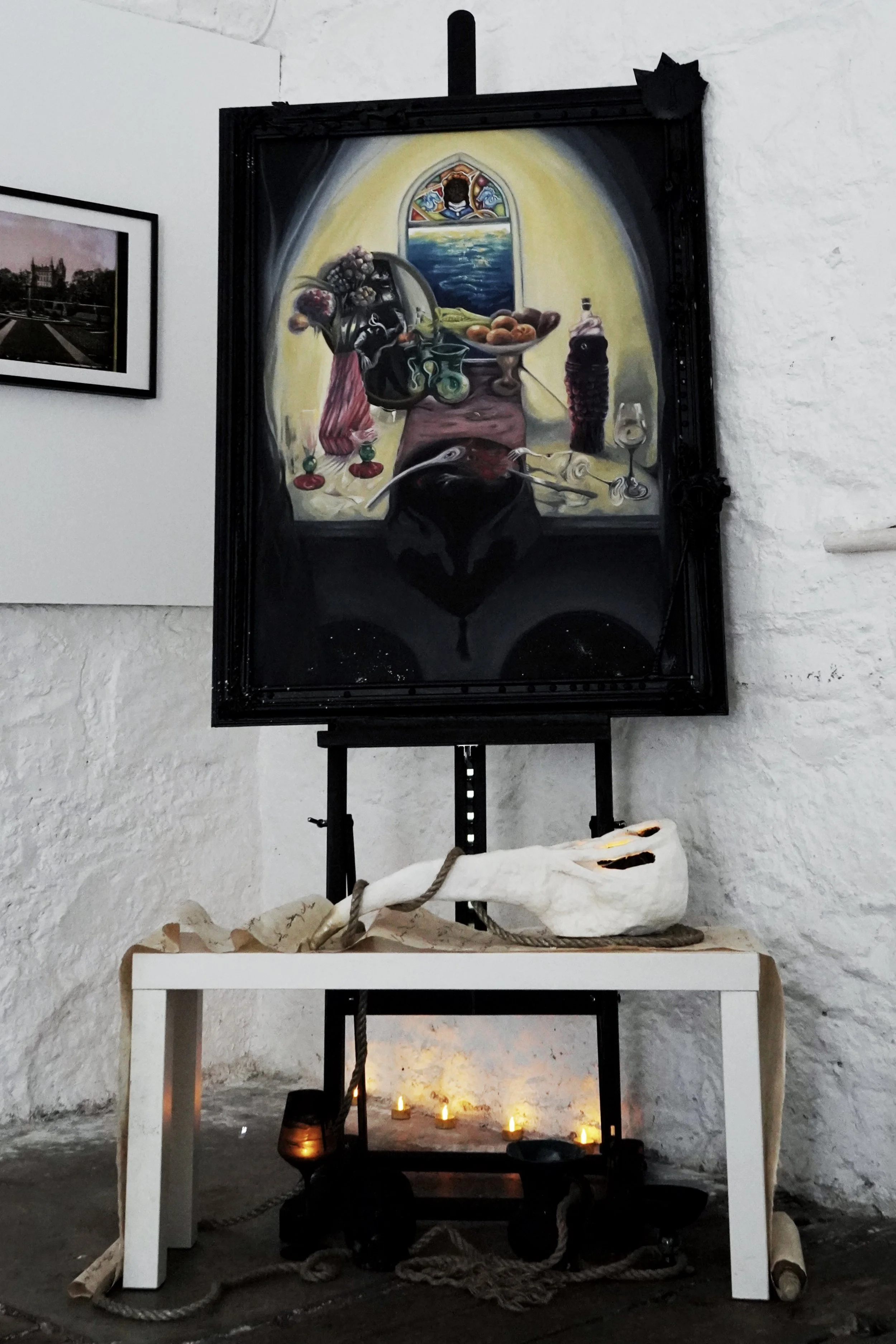
No’moko Jus’now seemingly depicts a still life in oil; traditionally utilised in the medium as a flaunting of opulence and greed by the upperclass, elites and royals of European society. Scotland too adopted this tradition, and from the late 17th century artists would paint markers of wealth for the aristocracy such as wine, rum, exotic fruits and of course plates of meat, fish and birds. Often the killed creature is on display freshly dead, uncooked and perhaps hanging by its feet as a trophy.
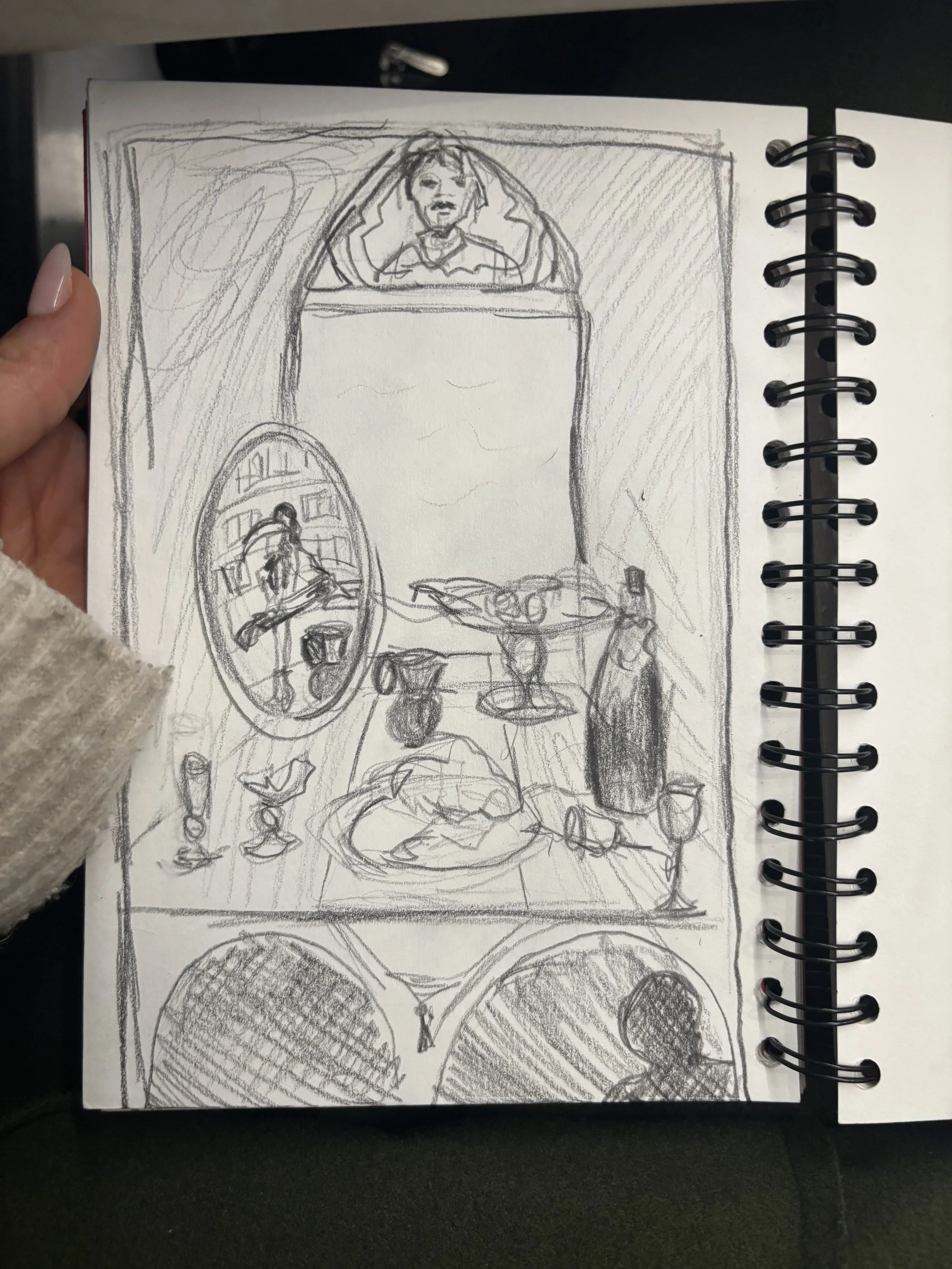
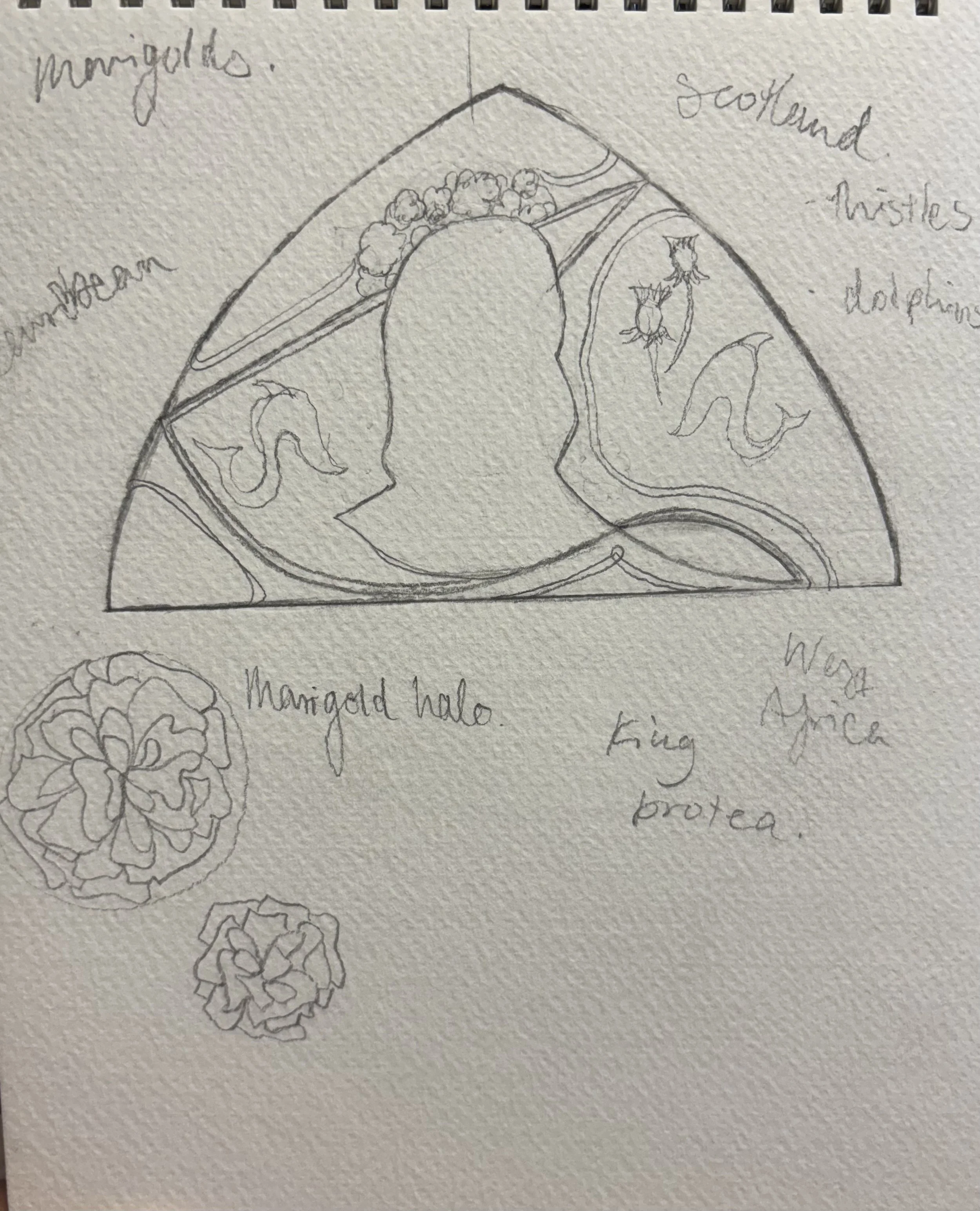
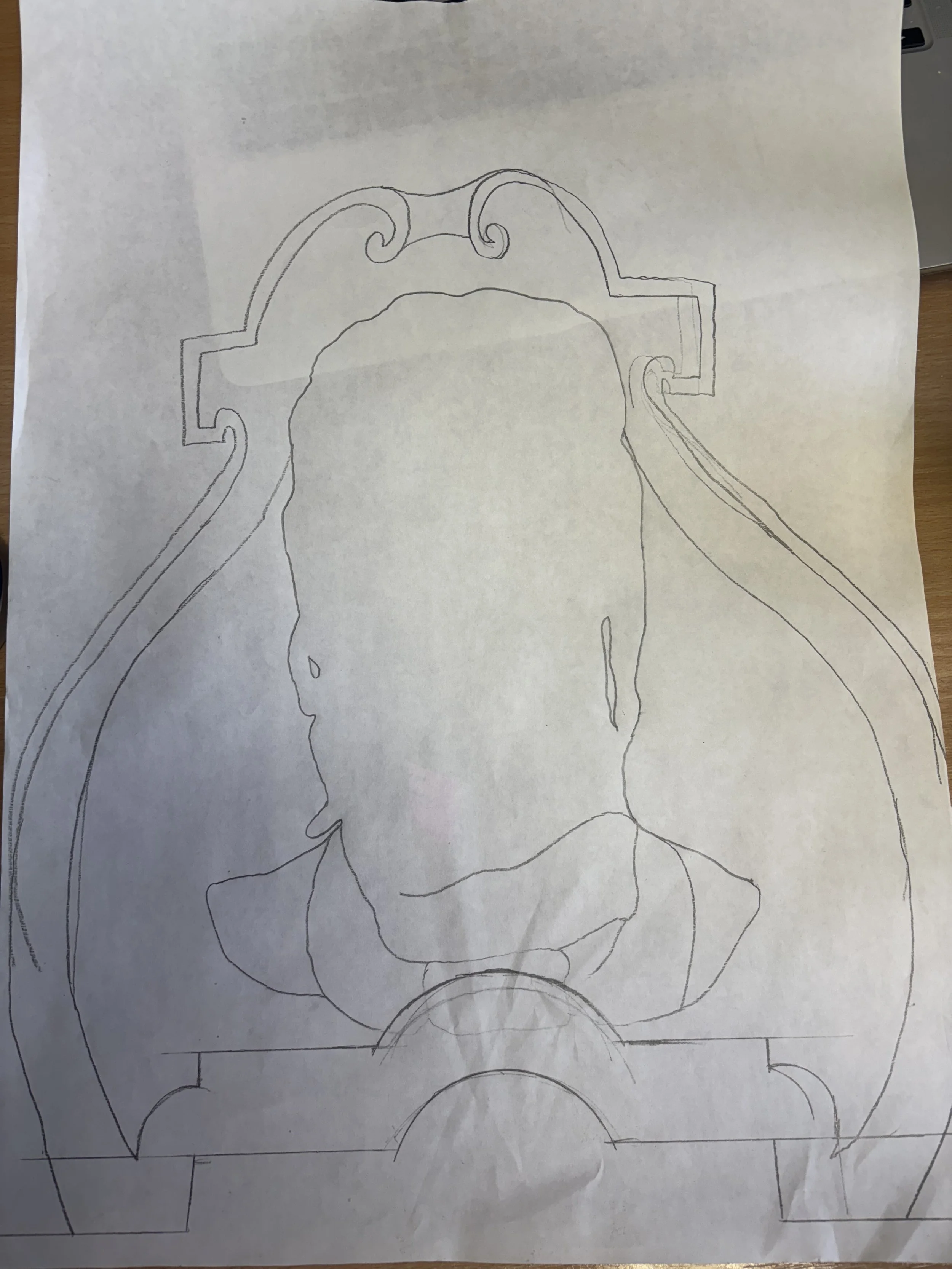
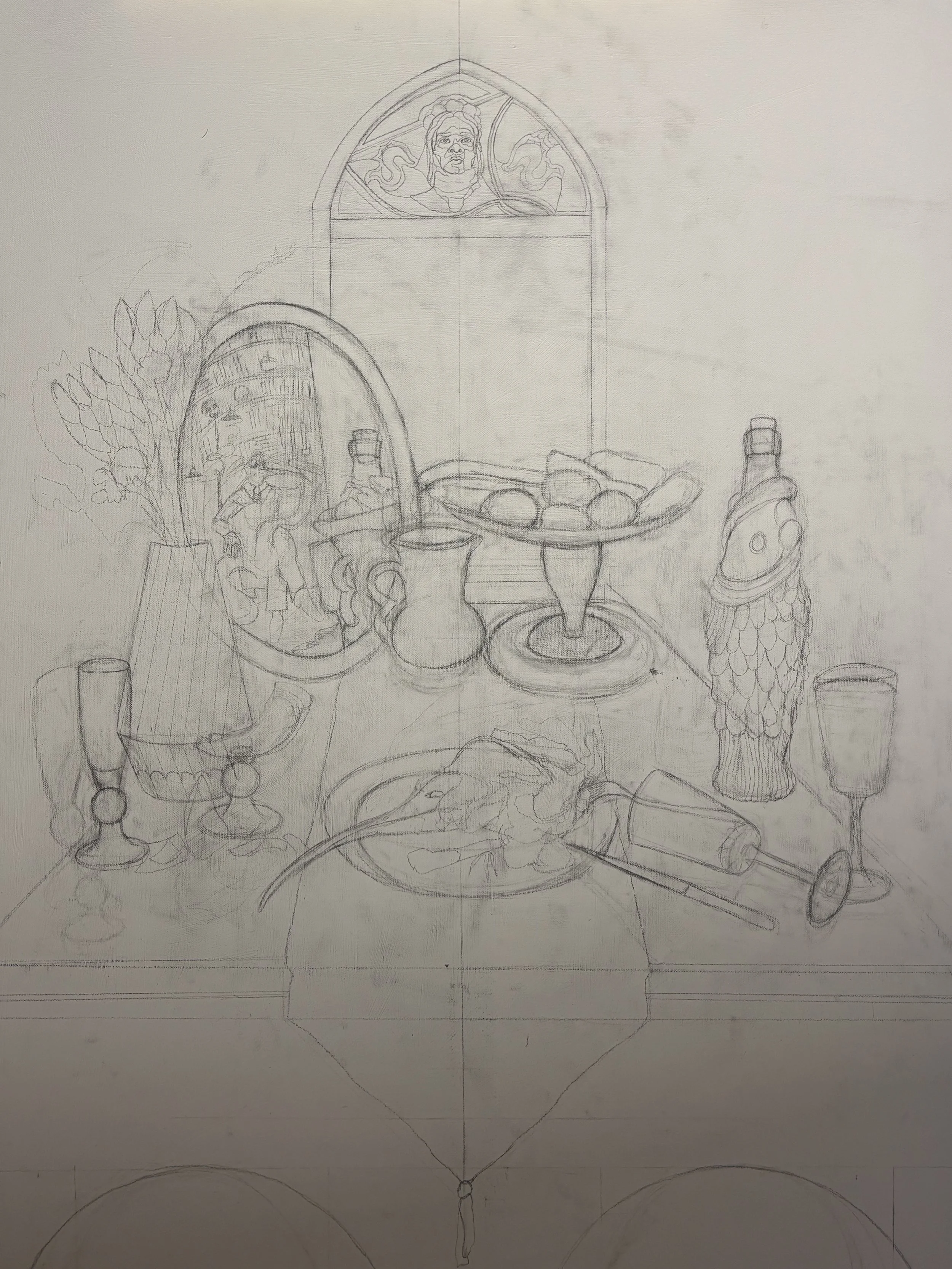
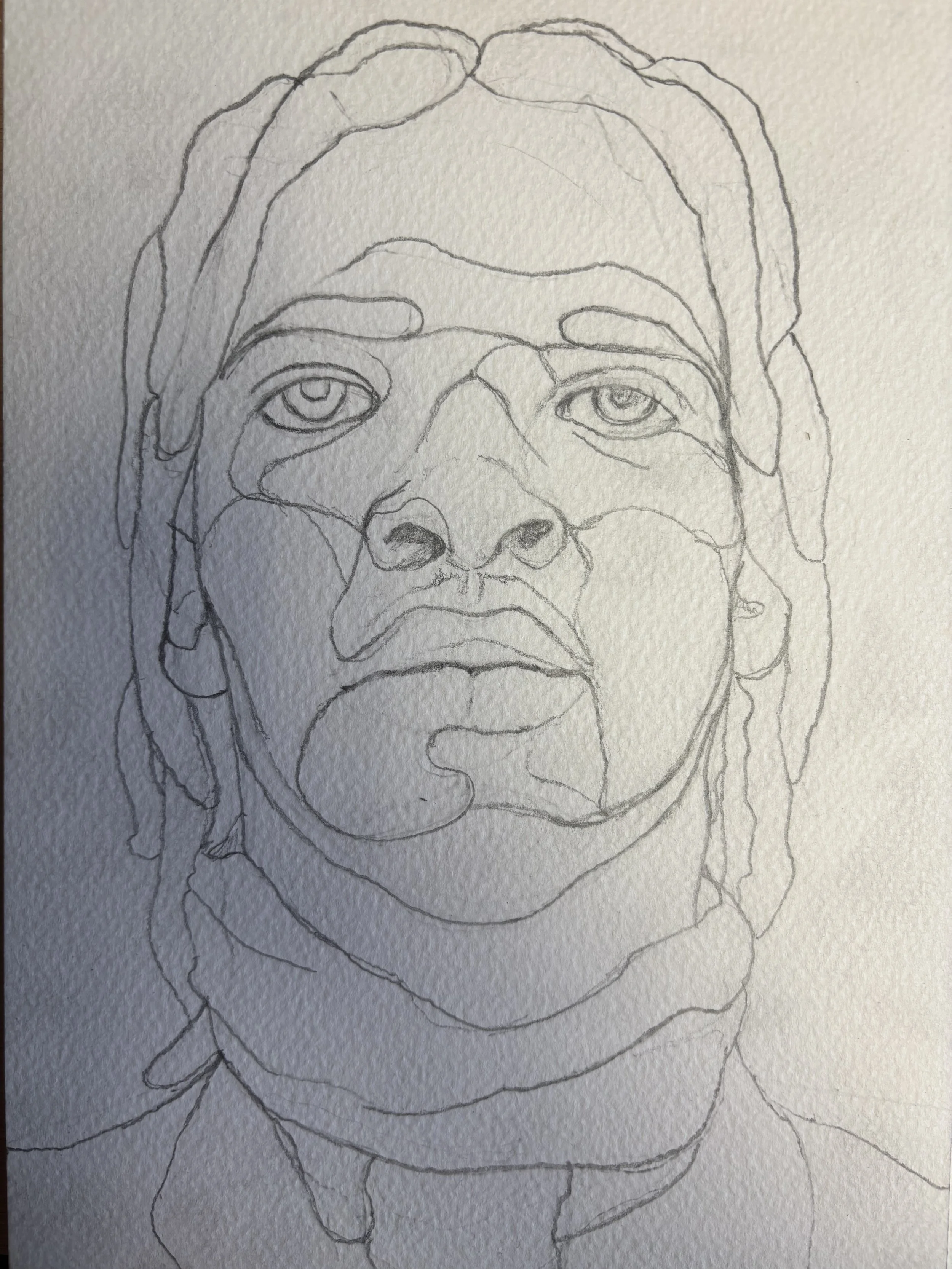
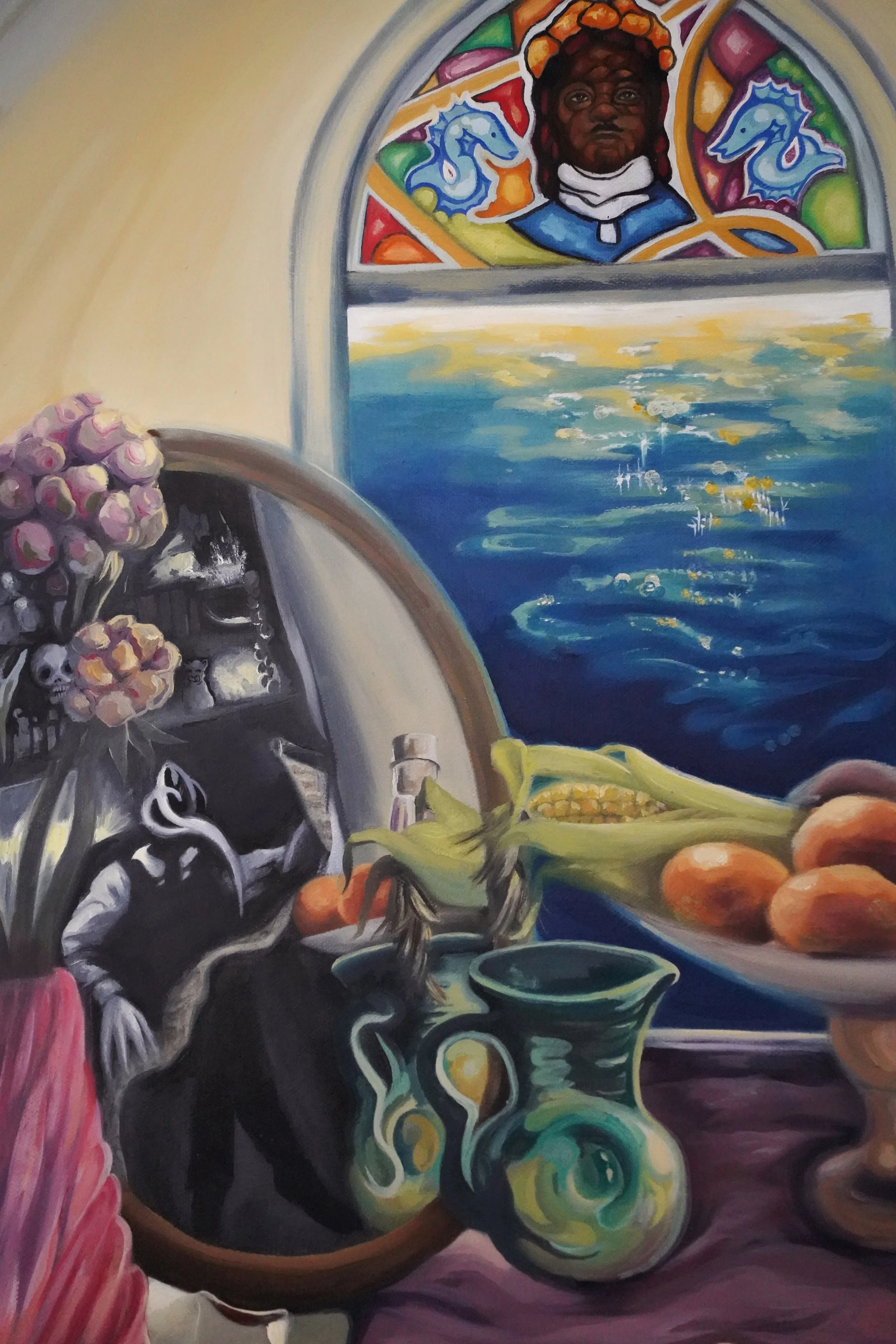
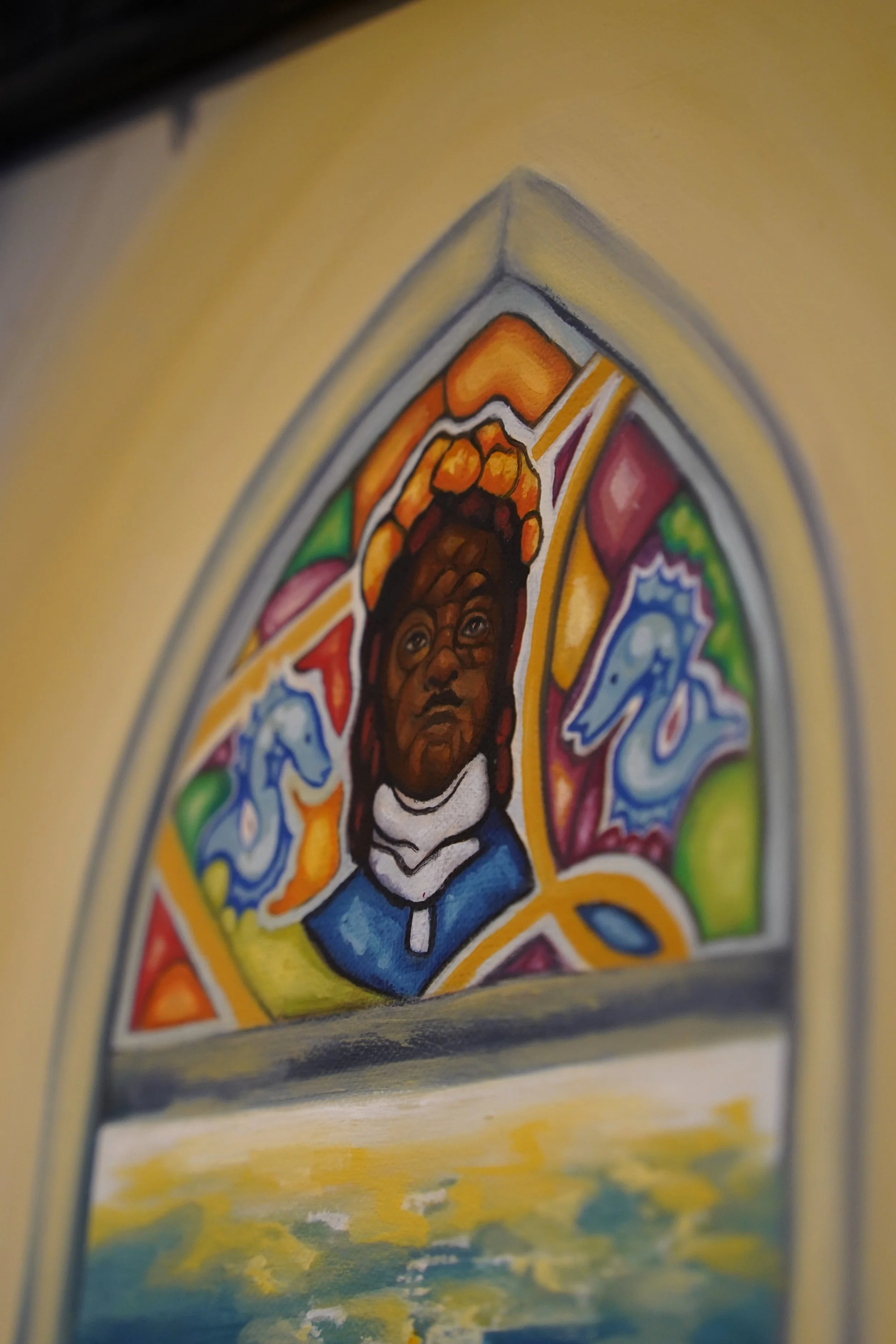
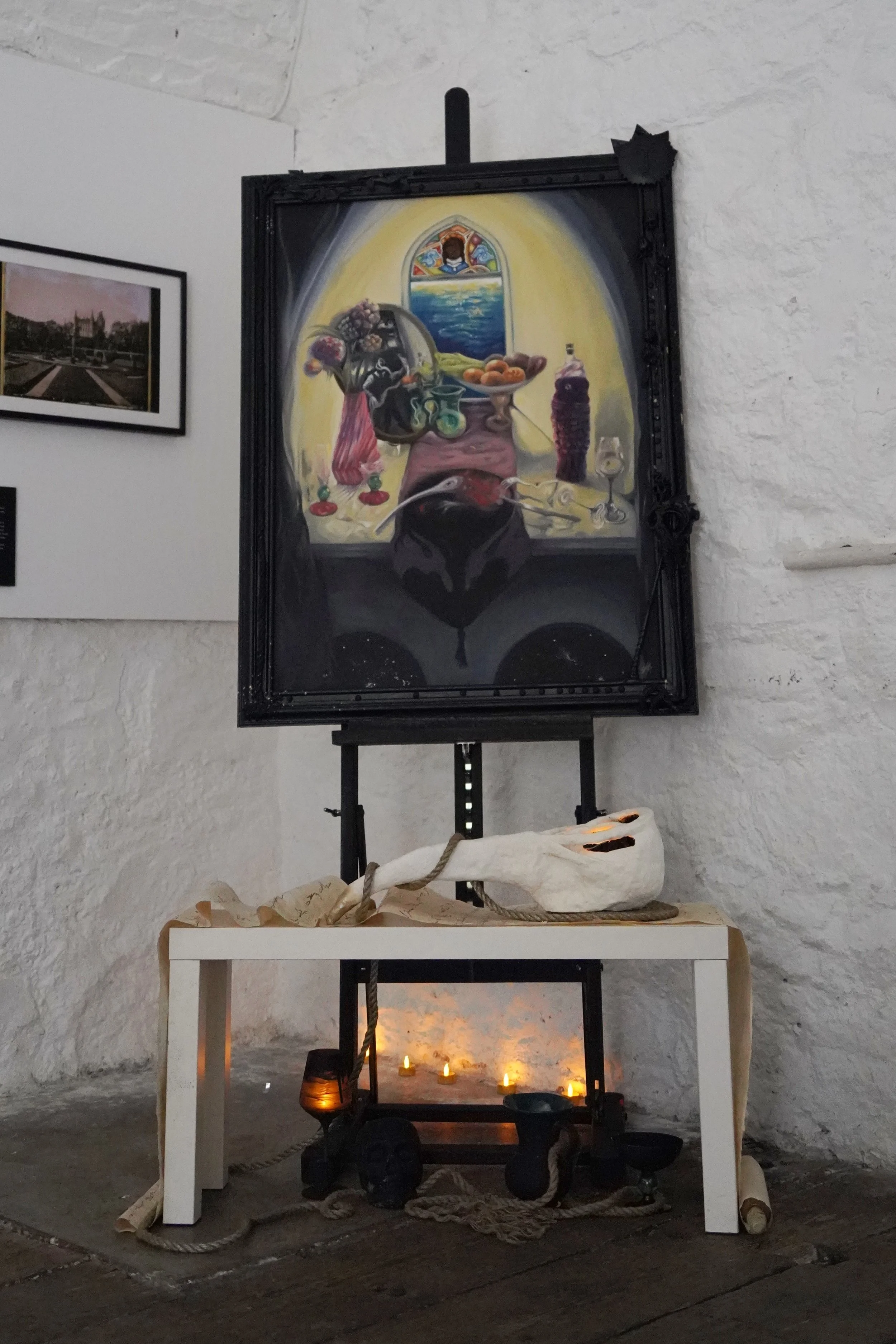
Above the central point of our scene is an image of Scipio Kennedy (1694-1774) represented as a stained glass window that looks out to sea. Kennedy was born in Guinea, West Africa where he was captured, enslaved and sold to Scottish captain, Andrew Douglas. At the age of six, Douglas brought Kennedy to live at Culzean Castle in Ayrshire where he would remain until his death. Kennedy’s position is symbolic of the artists’ hope of Kennedy’s ascension from the rest of the scene.
From Kennedy our eyes are drawn downwards to the patch of sea visible through the window, the waves giving way to a stretch of red tablecloth where the disembodied and presumably half devoured head of the scarlet Ibis rests on a plate. The scarlet Ibis, the national bird of Trinidad and Tobago, twin islands of the West Indies, are strictly protected by law, yet are poached and consumed illegally as a delicacy at parties thrown by the “elite” class.
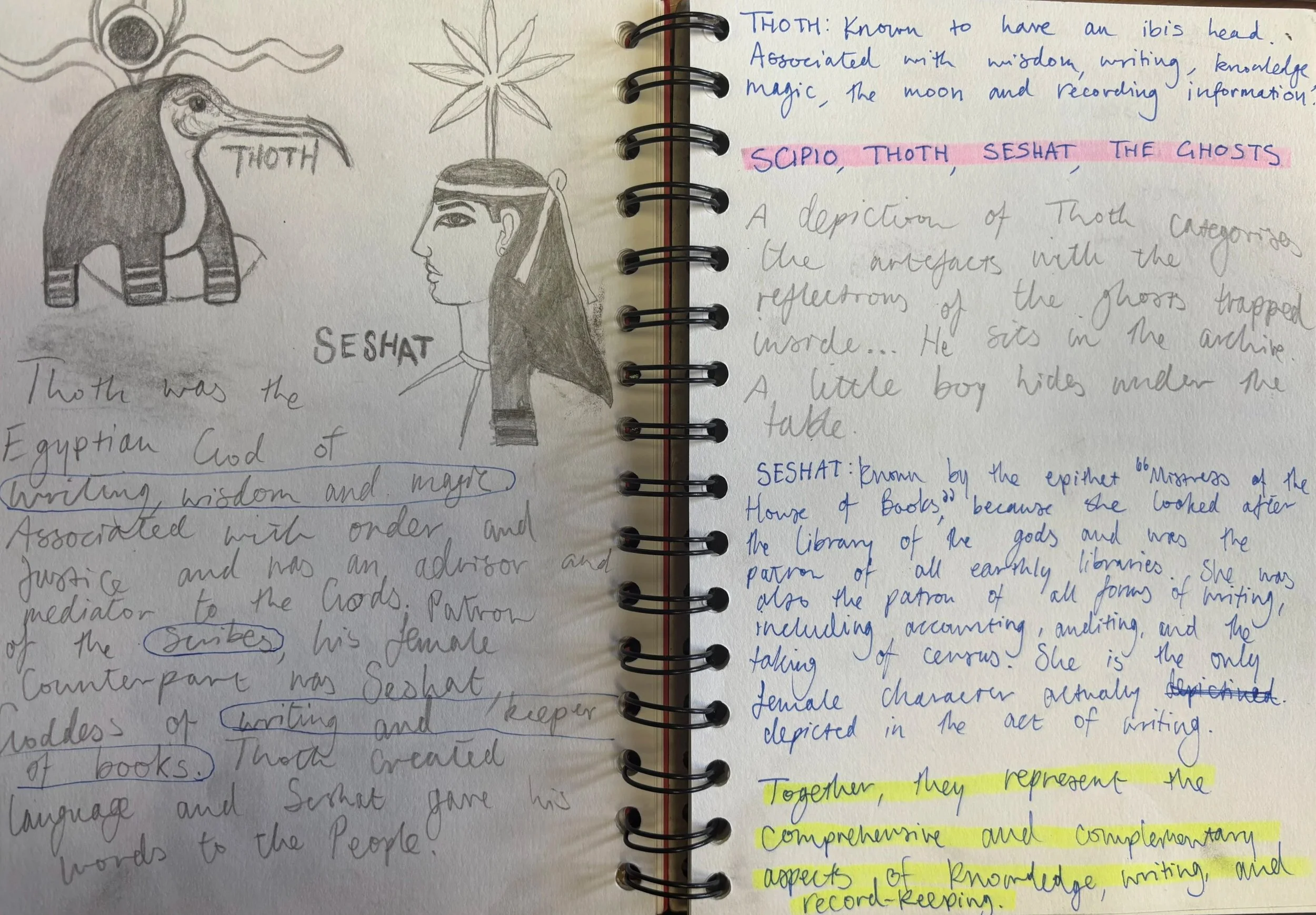
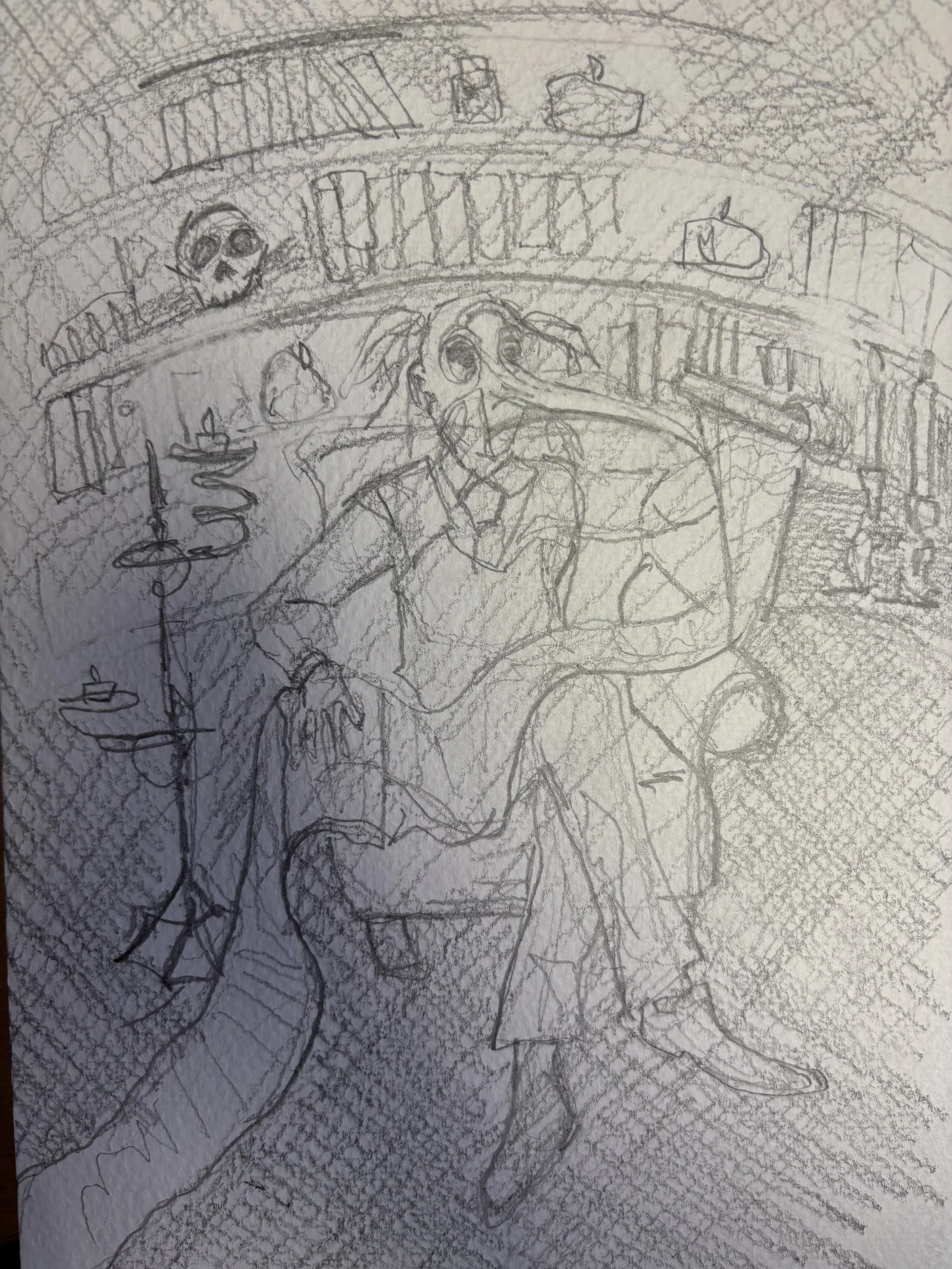
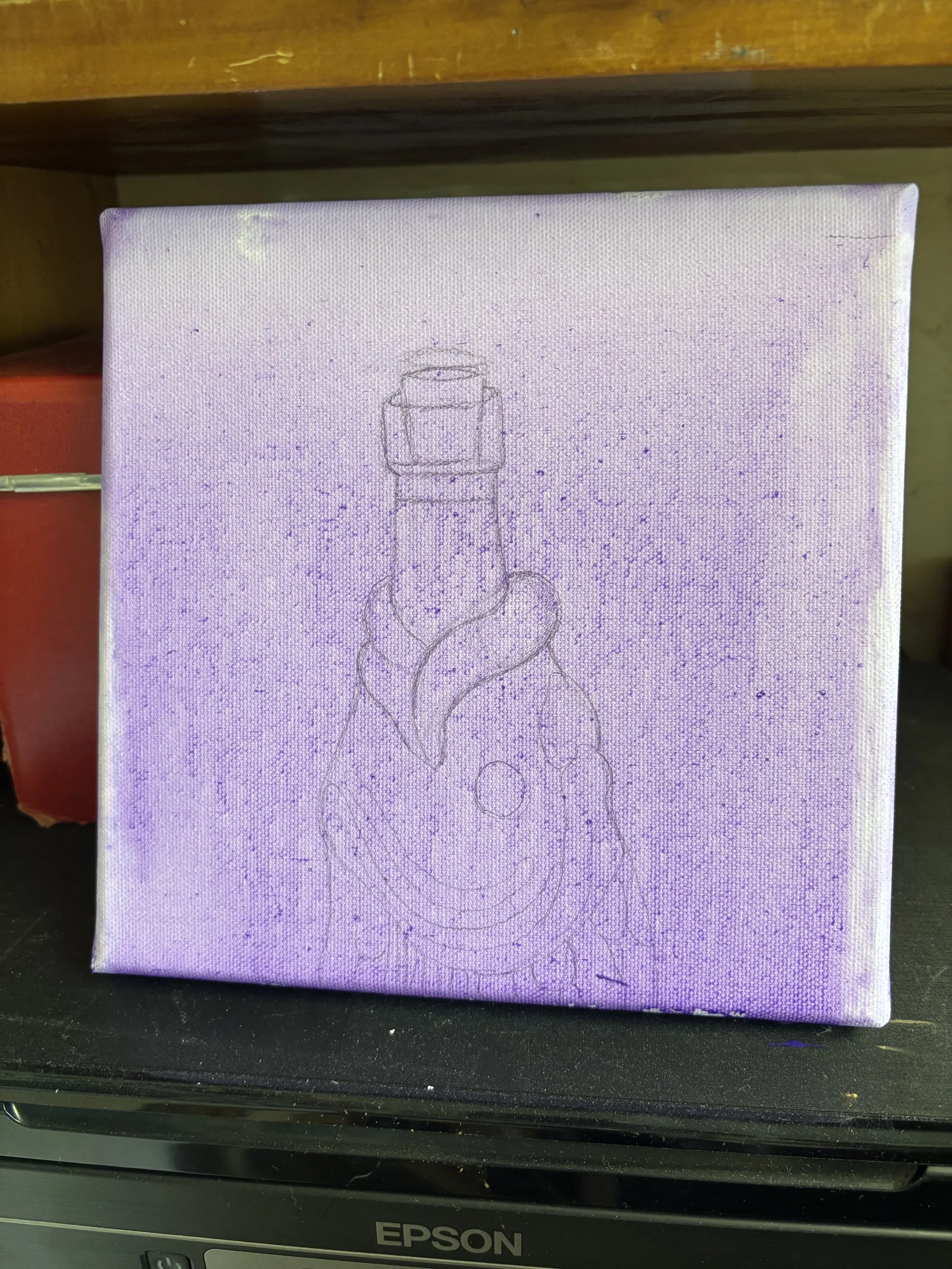
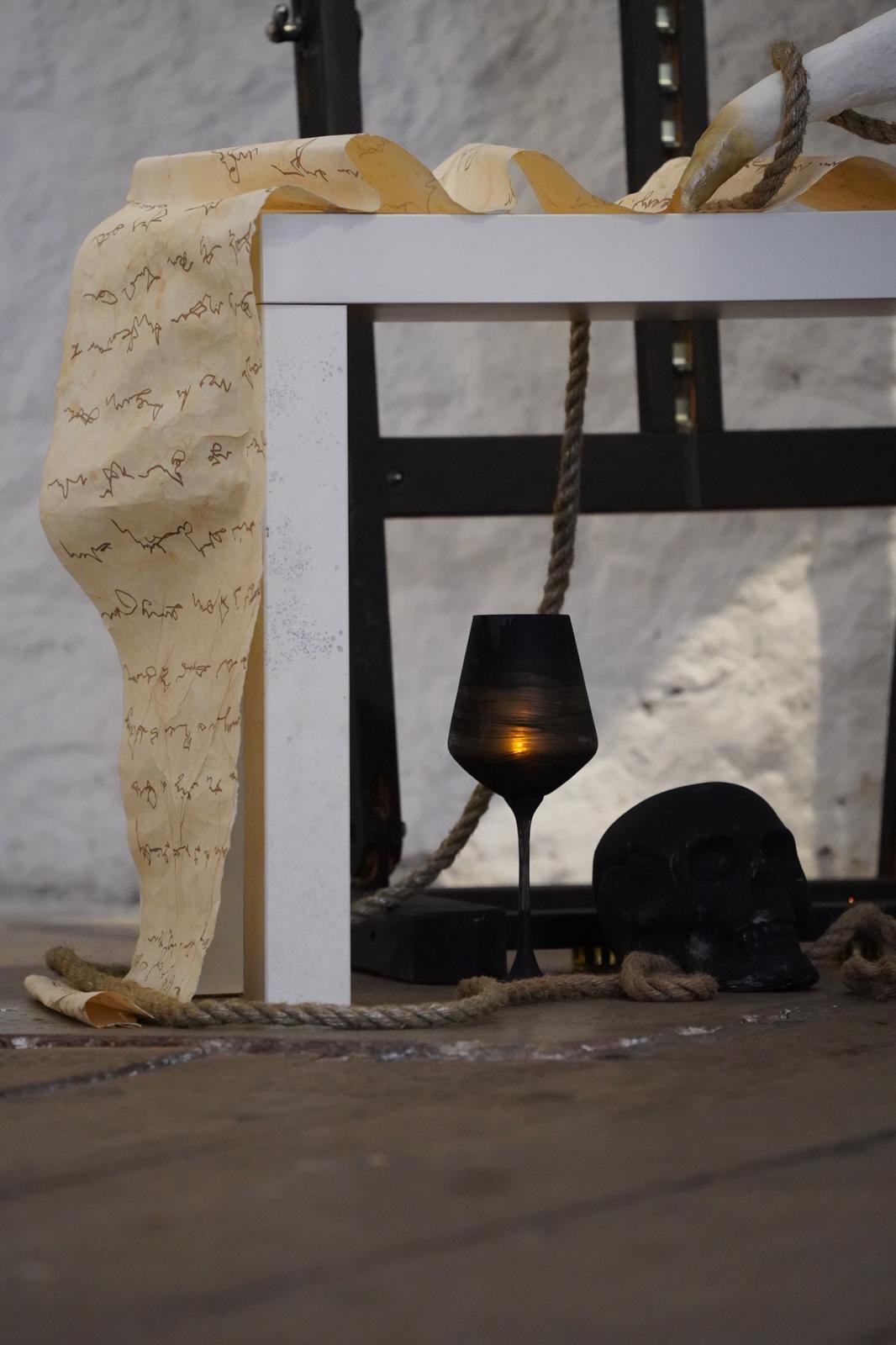
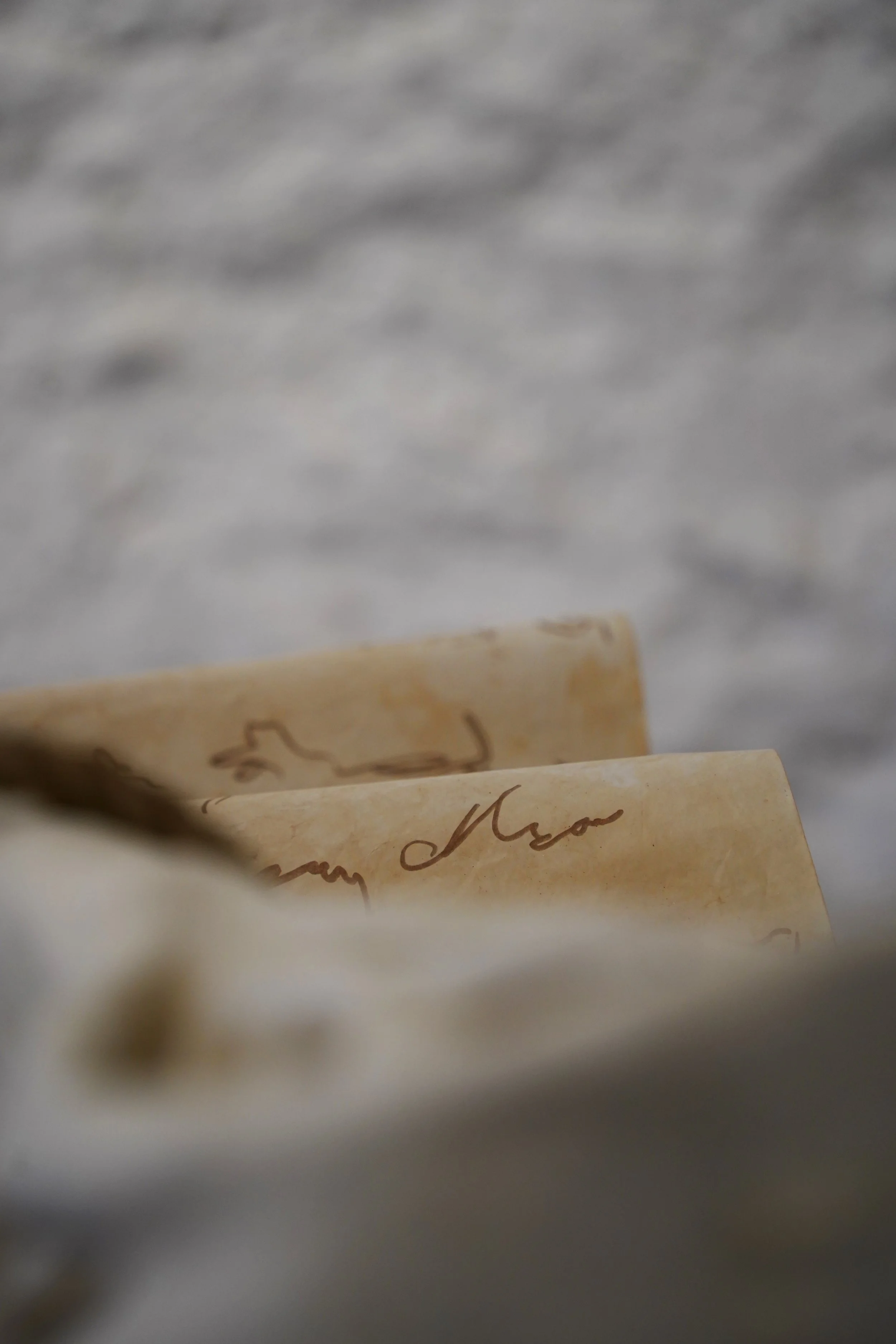
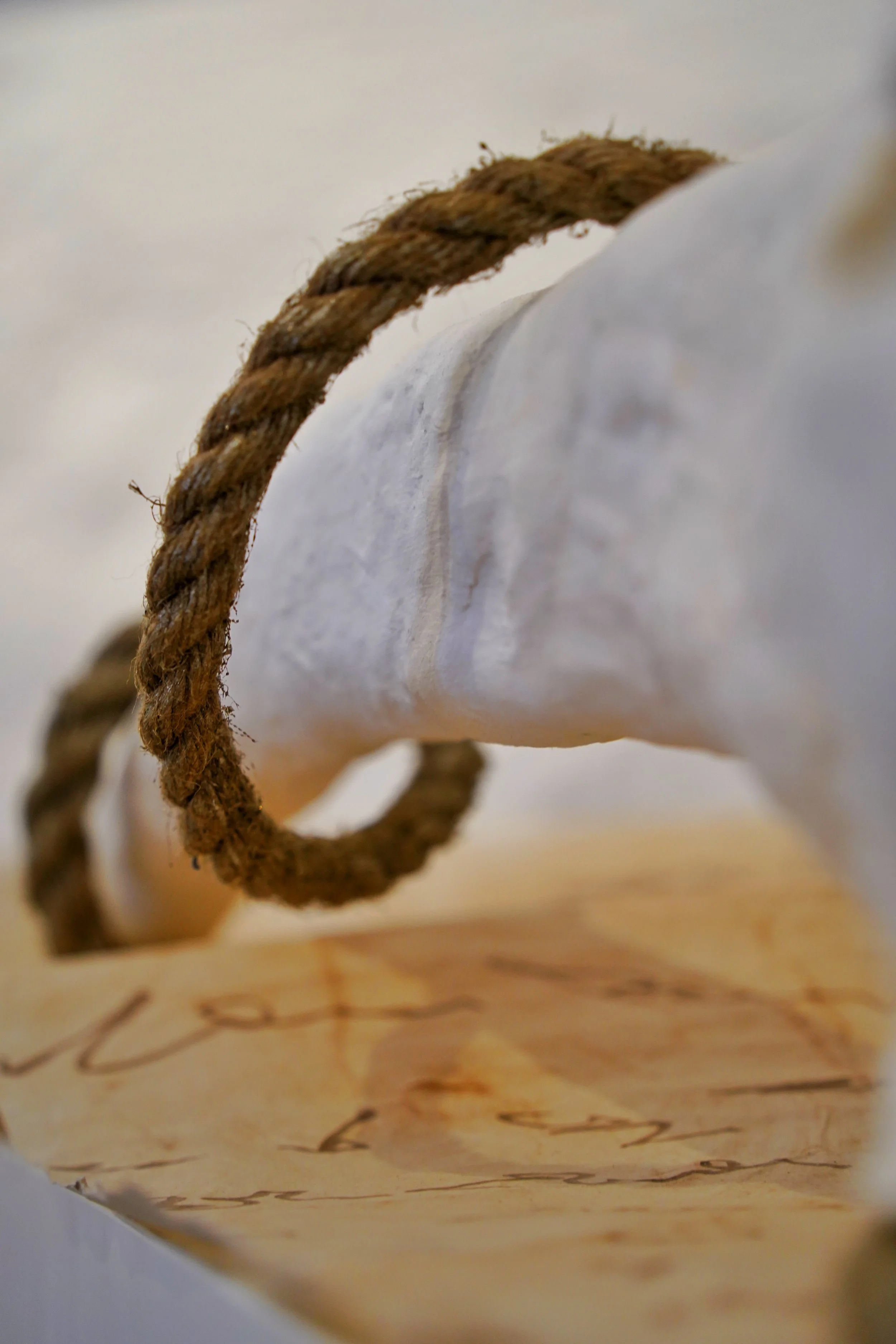
If we look closer, we can see the devoured ibis shares a look with the fish bottle whose body is filled with a thick dark liquid that has been partially decanted into a toppled glass, where the hint of a purplish drop remains. Reflected in the background we see a mysterious figure, appearing as a suited man with the skull head of an Ibis. This man appears to ponder over a long hand-written scroll, we can see the room behind is circular and lit in odd candlelight.
Back to our display and we have a vase of King Protea flowers obscuring the background figure, framed by the crashing waves outside is a fruit bowl that holds yams, corn, and oranges. On either side of our Ibis head, sit two sets of glasses. On the right, one has toppled, and on the left, one stands but shattered. The imagery points to imbalance, and a breakdown of natural order.
No’moko Jus’now
Oil on canvas
2026
70 × 100cm unframed
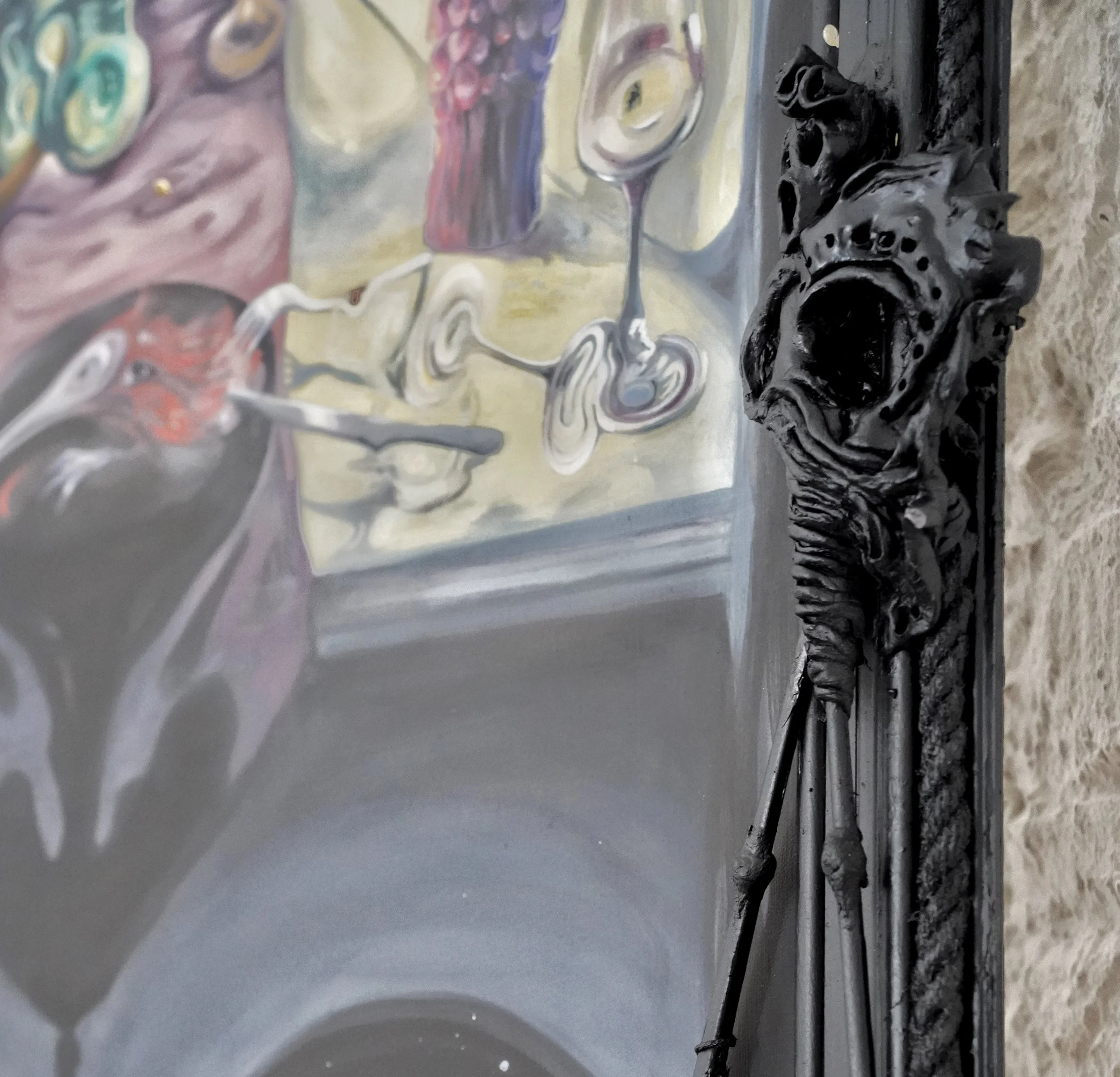
Details photographed by Joe Potter
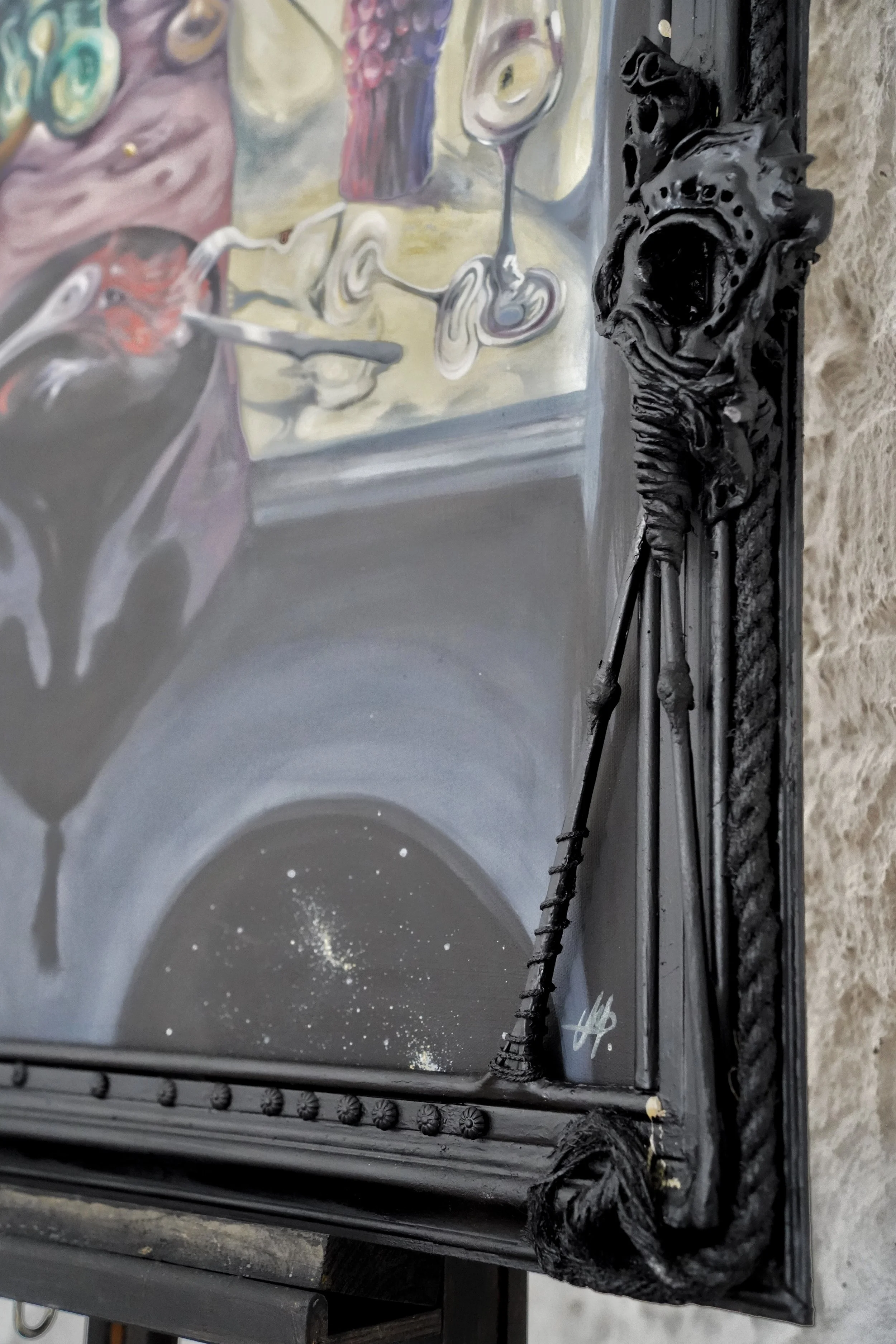
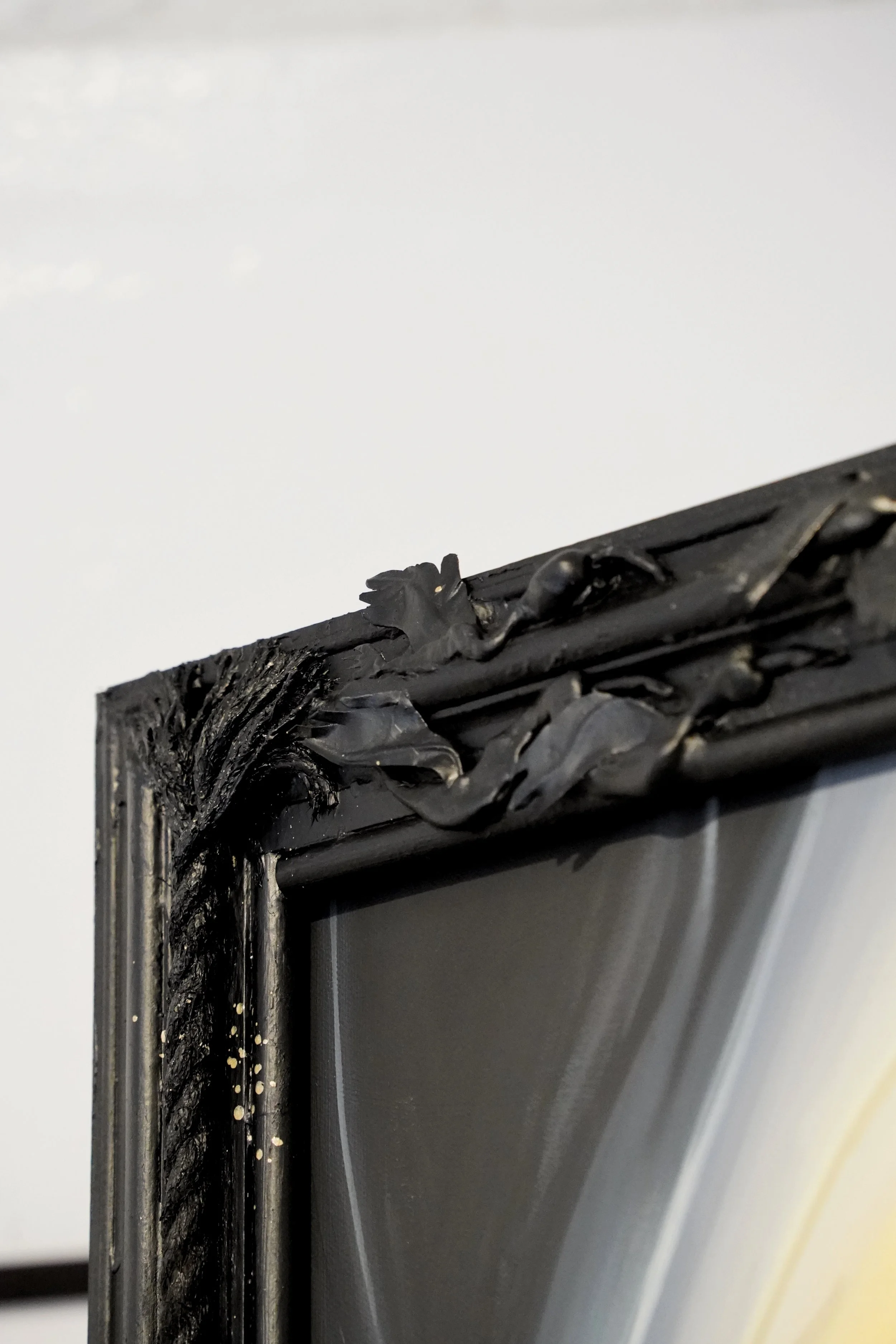
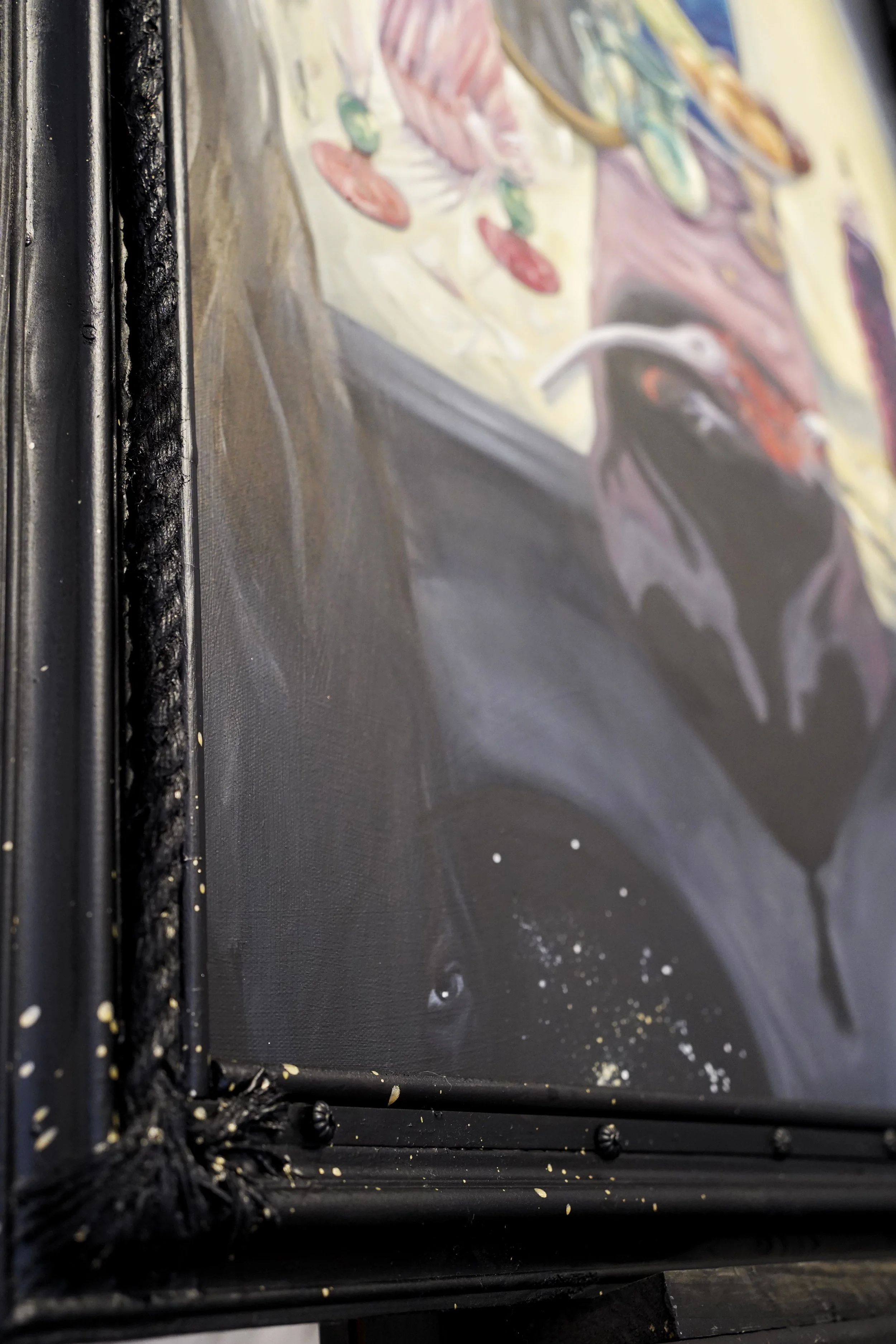
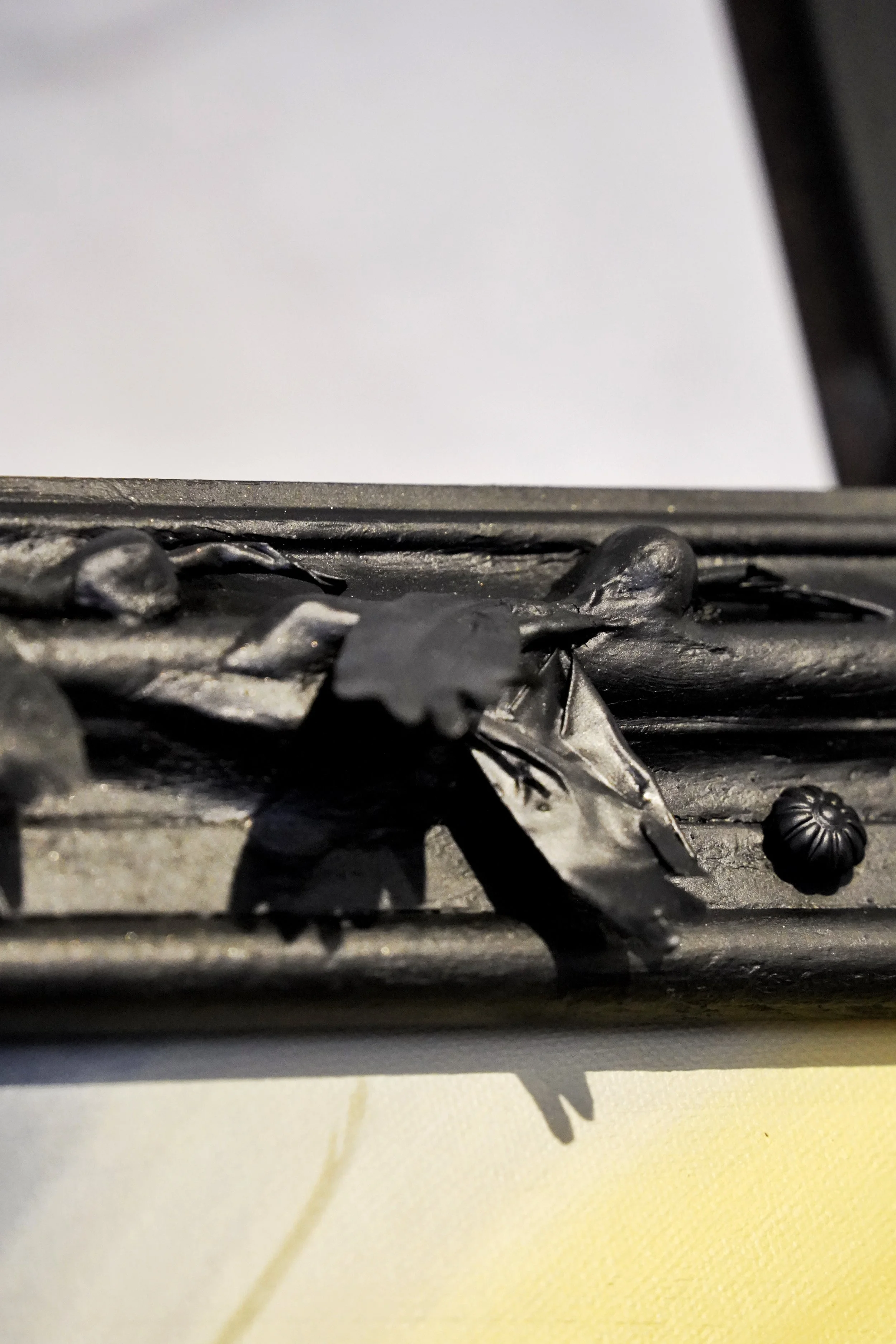
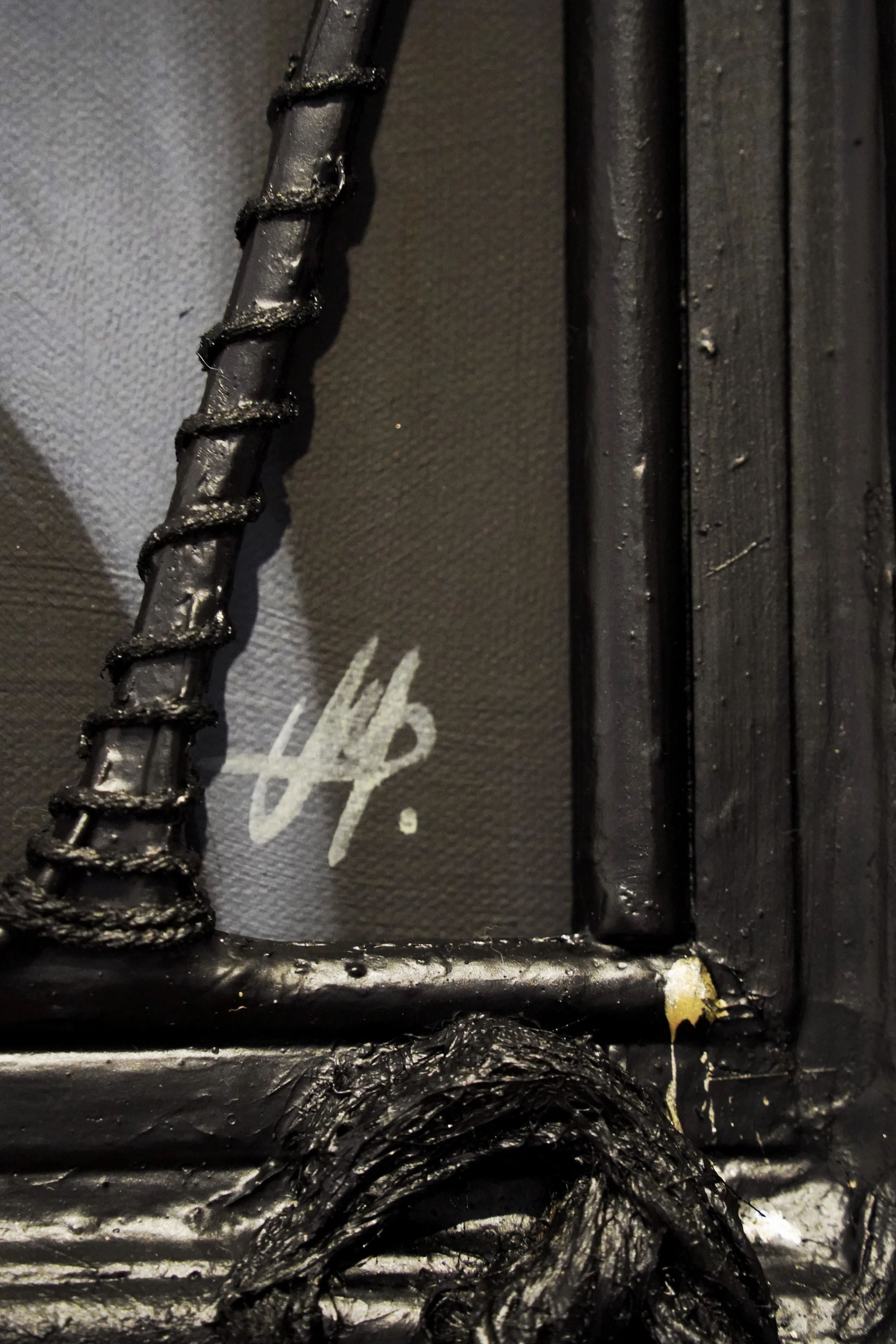
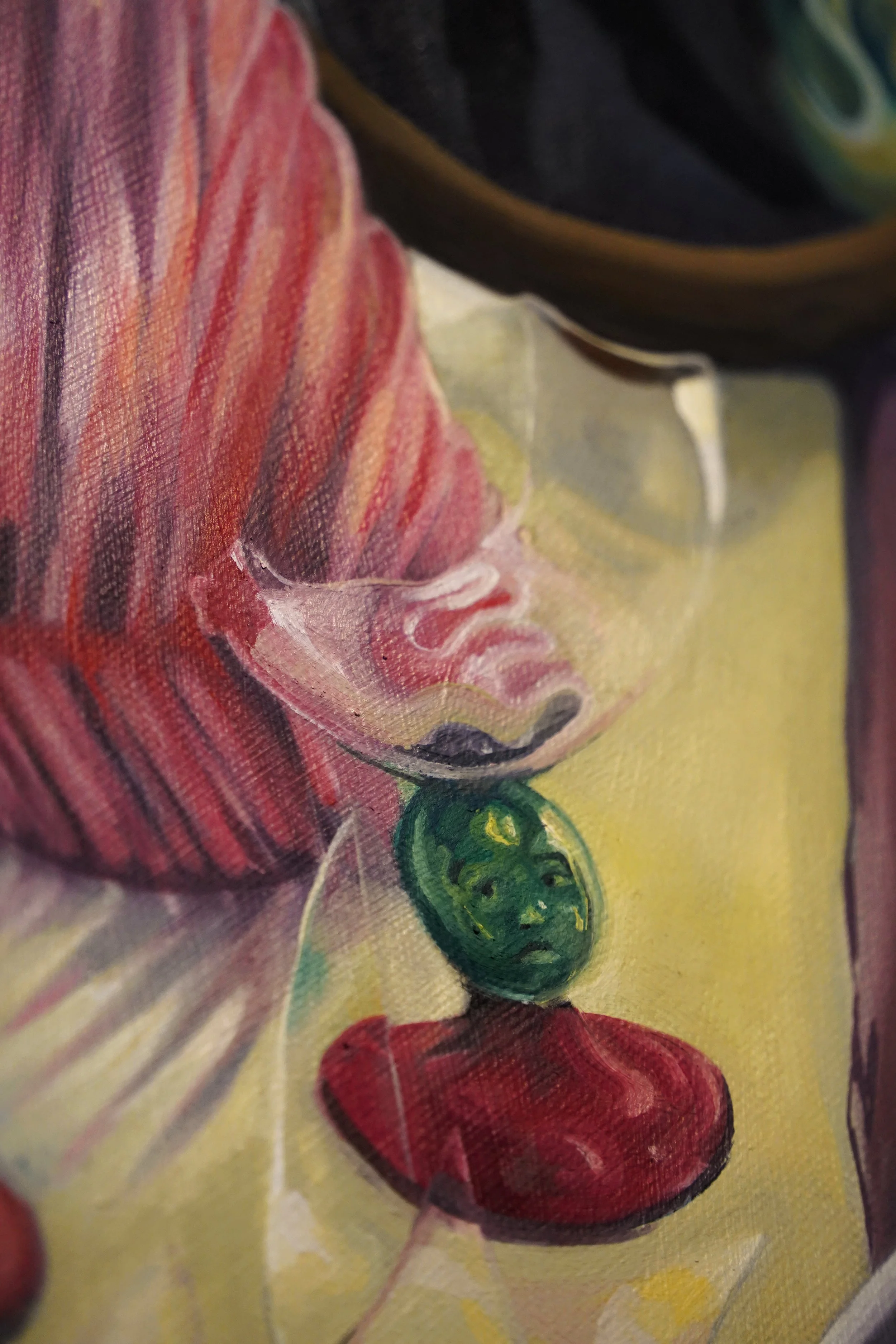
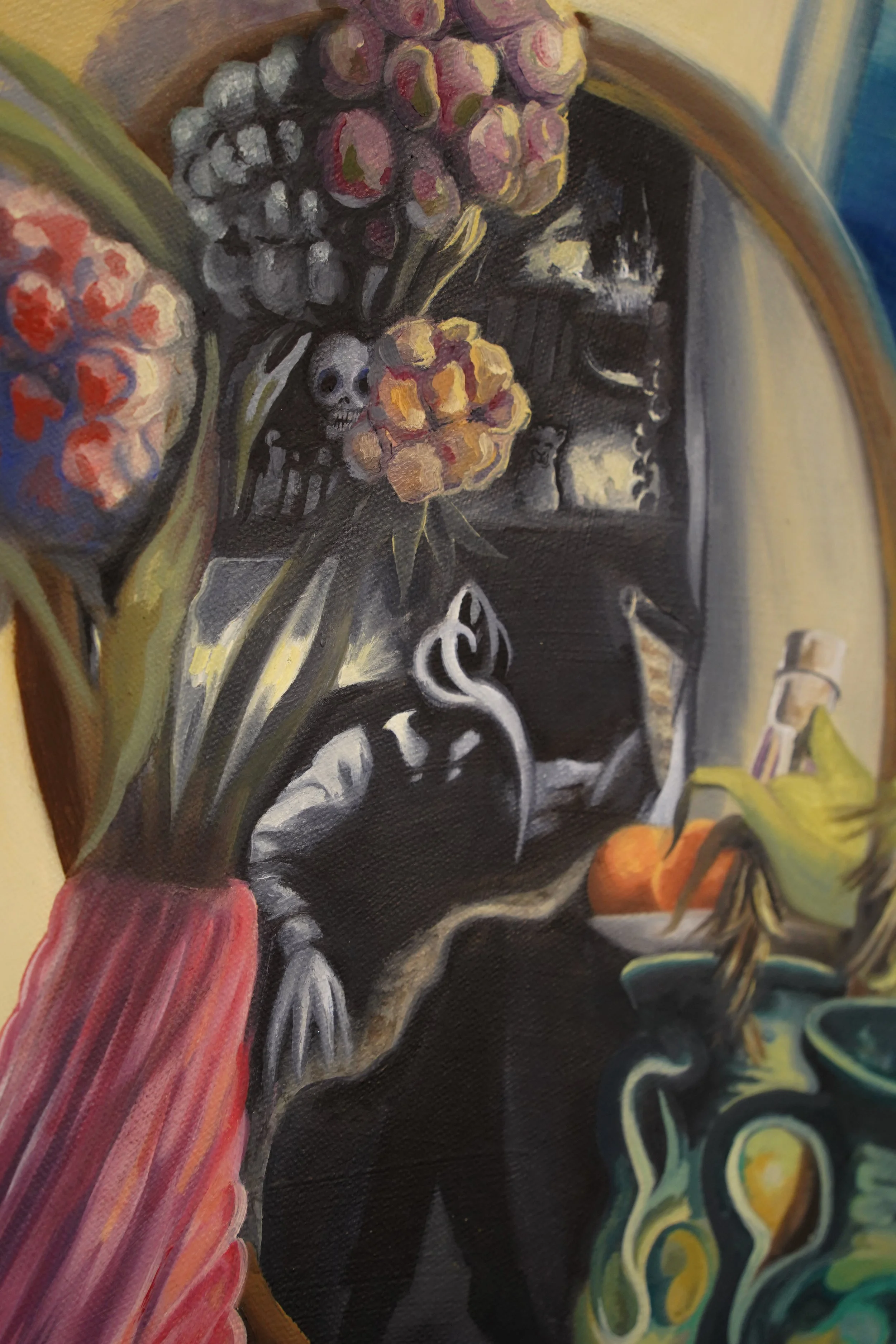
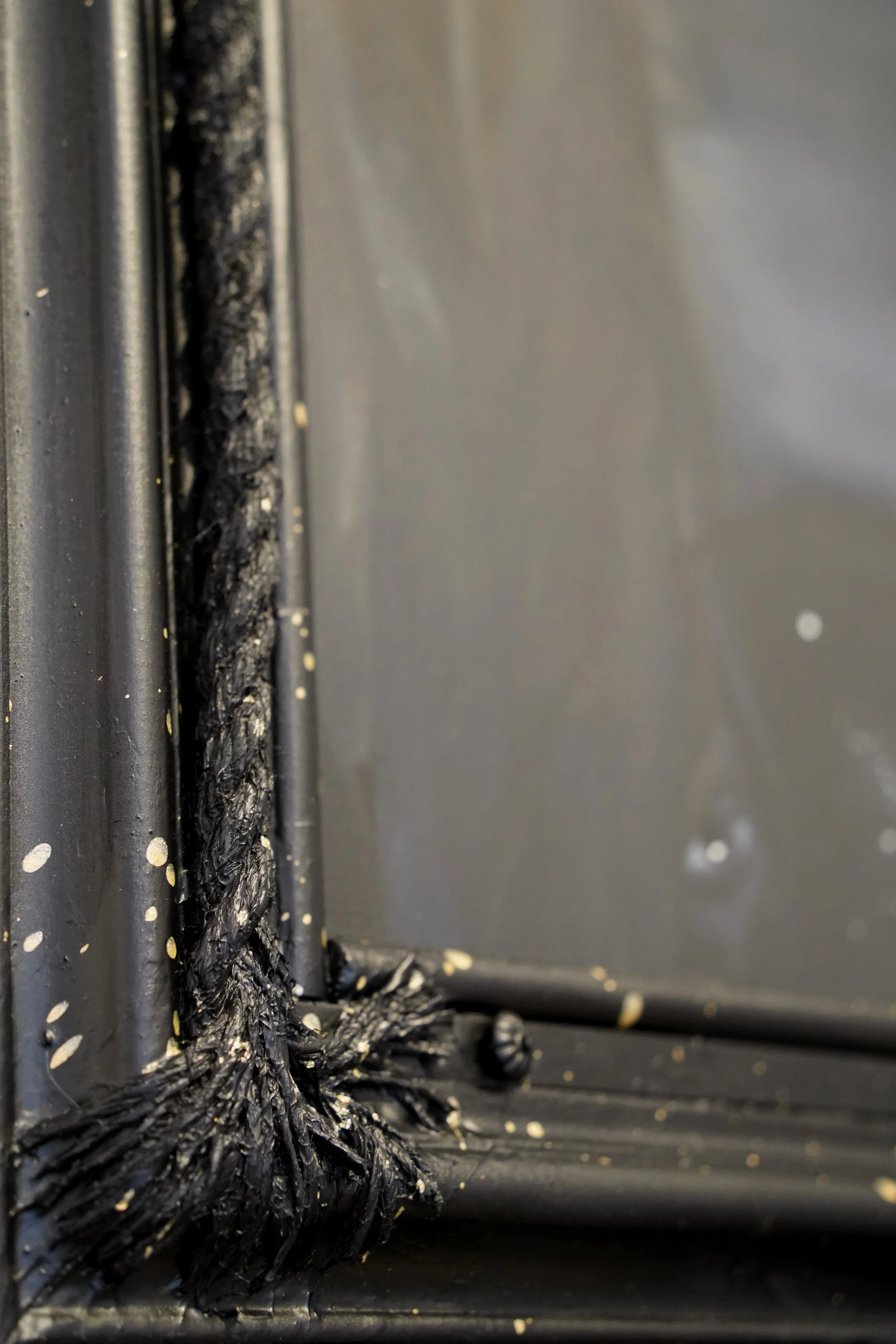
No’moko Jus’now evokes the quote by art critic Michael Fried of, “a continuous and perpetual present,” words made in reference to minimalist art in his book about objecthood, yet is helpful in providing context for the scene depicted. Where are we in space and time? We are in the continuous present, within the psyche of the African and Caribbean diasporic community, we are existing in a liminal space that is not in the physical realm, but a mirror of what is occurring there as represented through imagery of objects that represent the objectification and commodification of black bodies throughout modern history.
No’moko Jus’now reveals that all it takes is a closer look to expose that underneath fallacious boasts of so-called nobility, is not just a lack of substance but a foundation that is built on labour of the enslaved and therefore rotted at its core, and that the pillars of our societies are shattered or toppled, and until that balance is restored, people will continue to suffer.
No’moko Jus’now does not rely on historical accuracy via time-stamped objects, but asks us to consider the themes, objects and symbols that come together in one “place” to tell the story as it is felt across space and time. In considering this, we can acknowledge that No’moko Jus’now is not a still life, but in fact, a group portrait.
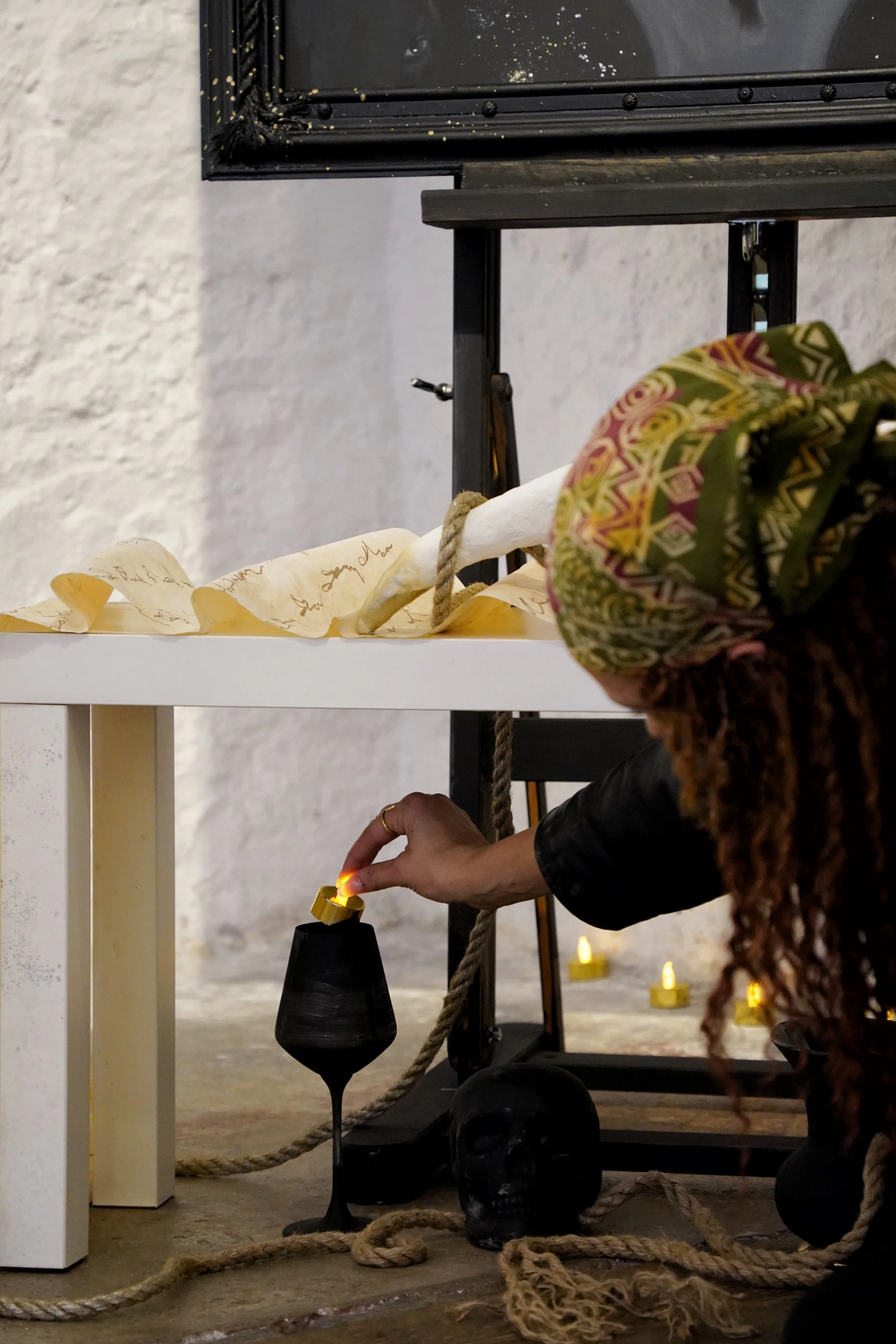
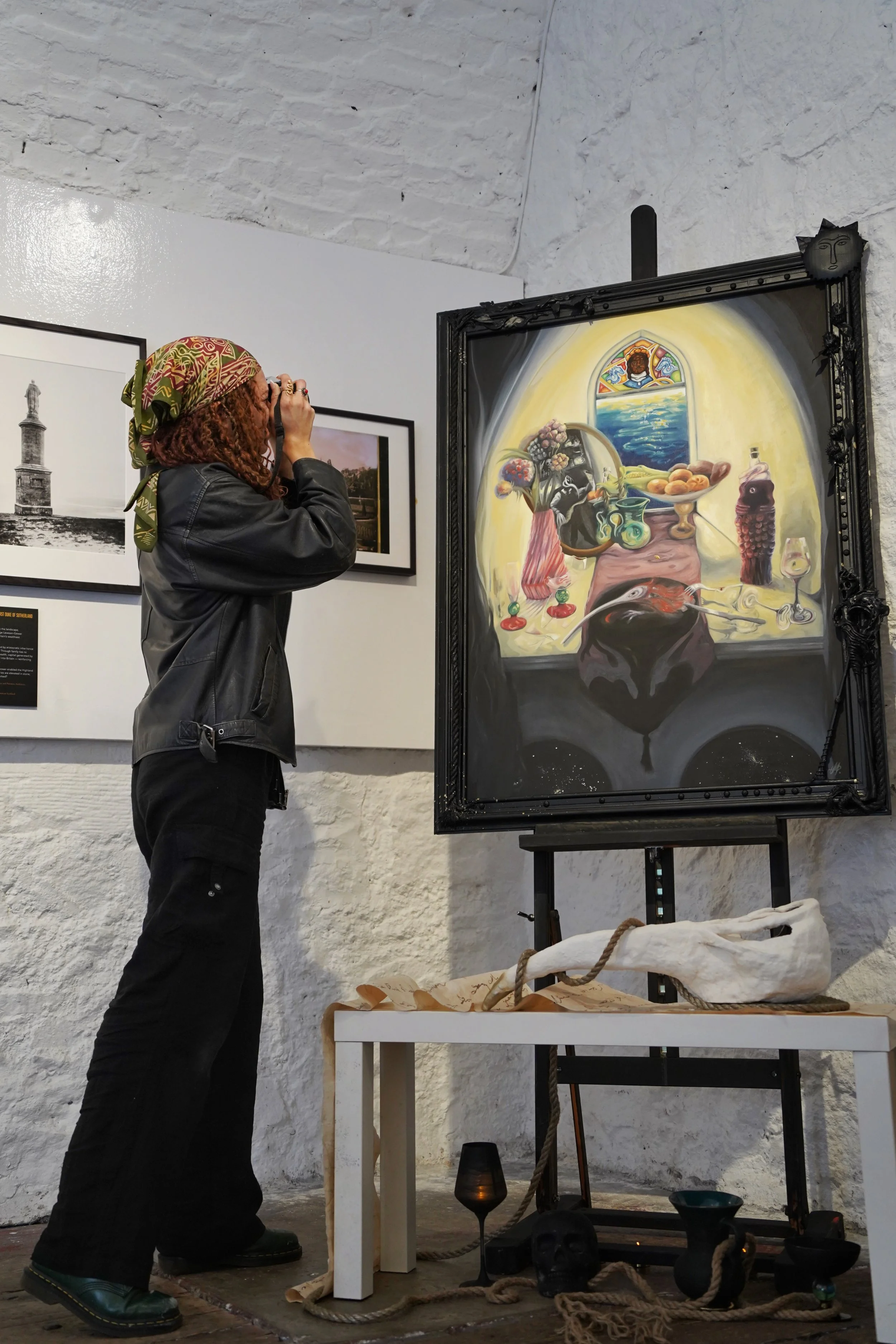
No’moko Jus’now installation displayed at Stirling Castle, April 2026
“Archeology and Empire”
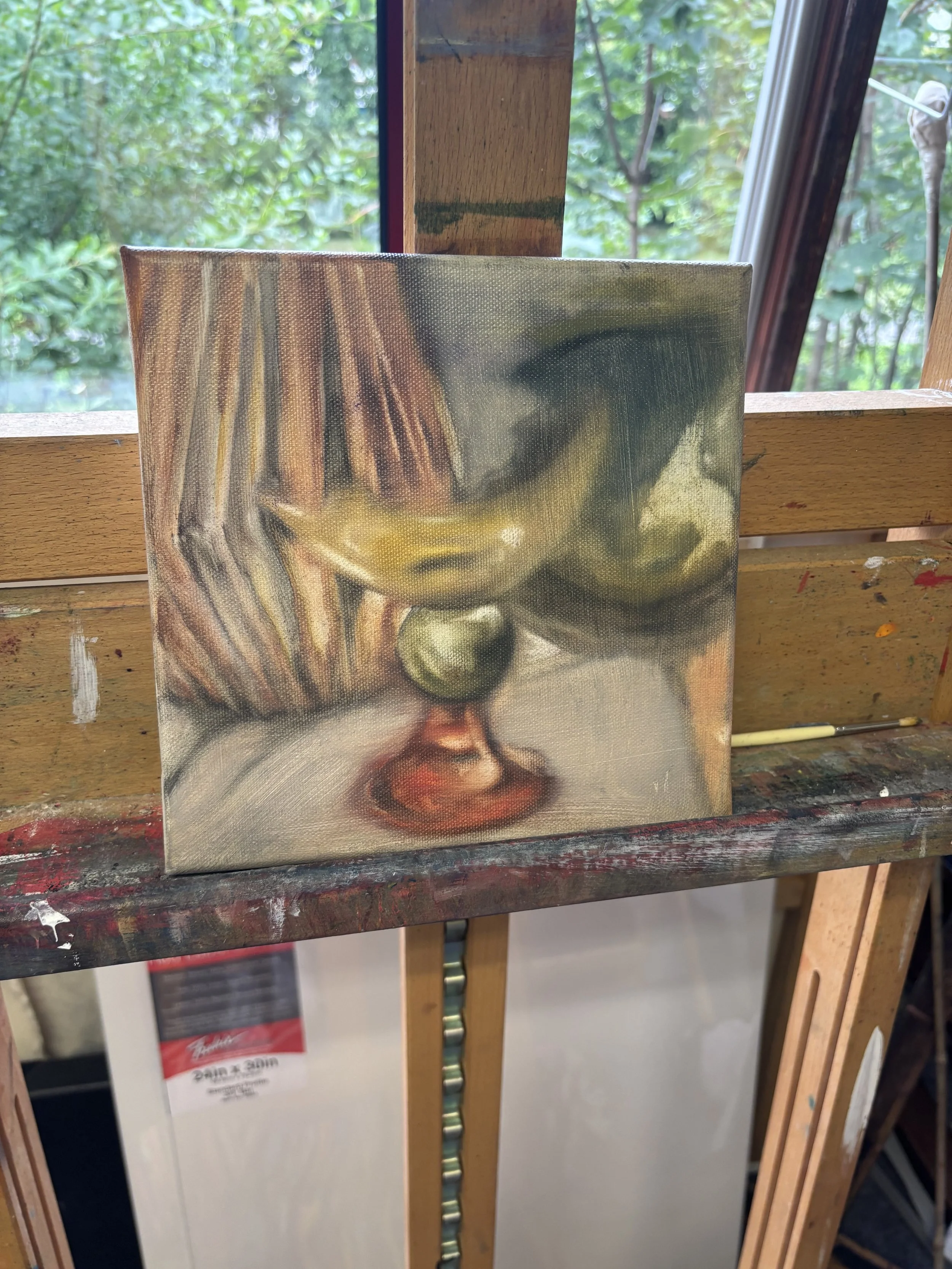
Research and development 2025